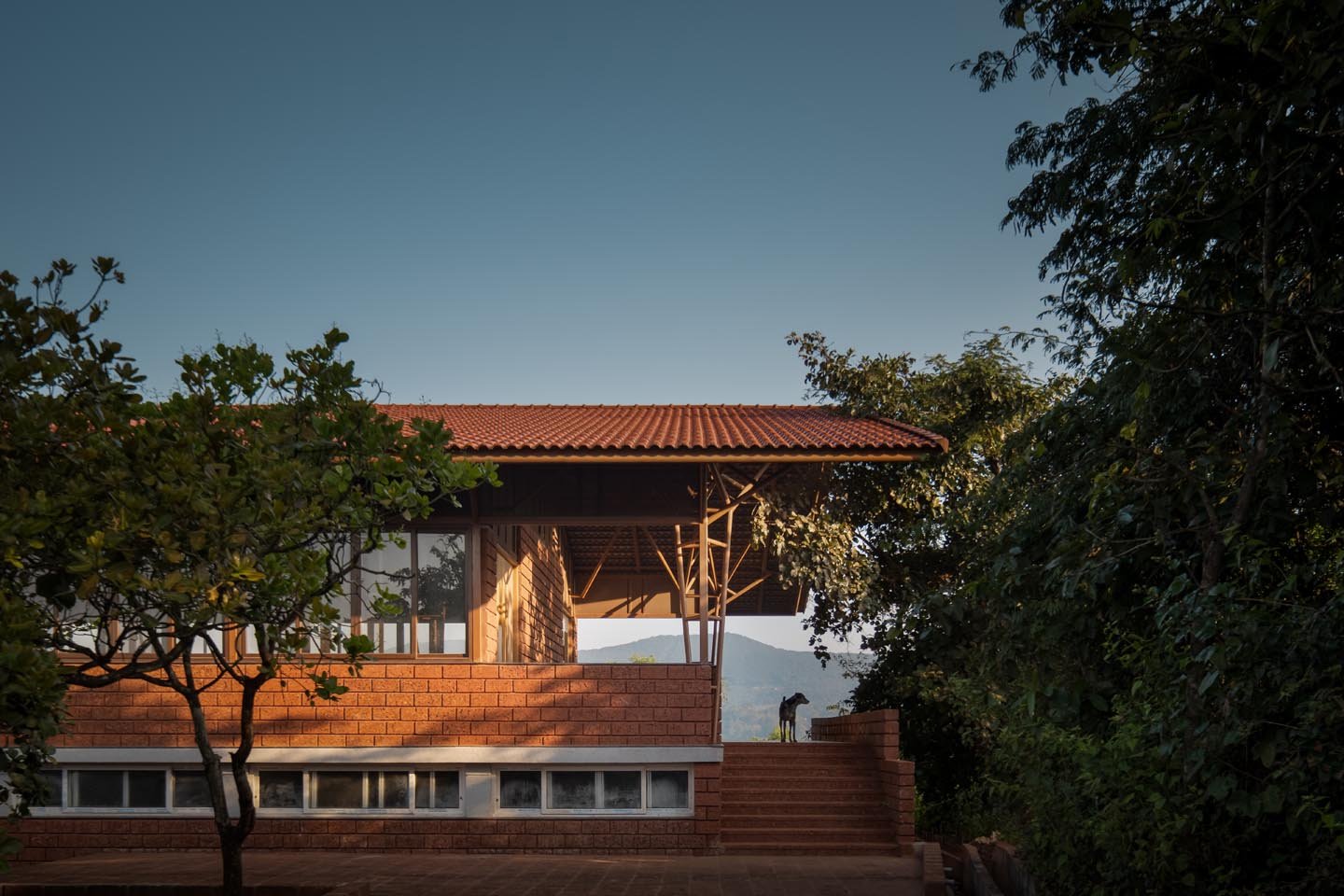
RR Institution #2
RR Institution is an upcoming educational campus in Bengaluru, designed around passive sustainability. Courtyards, a central atrium, and naturally ventilated spaces foster interaction, daylight, and thermal comfort.

RR Institution is an upcoming educational campus in Bengaluru, designed around passive sustainability. Courtyards, a central atrium, and naturally ventilated spaces foster interaction, daylight, and thermal comfort.
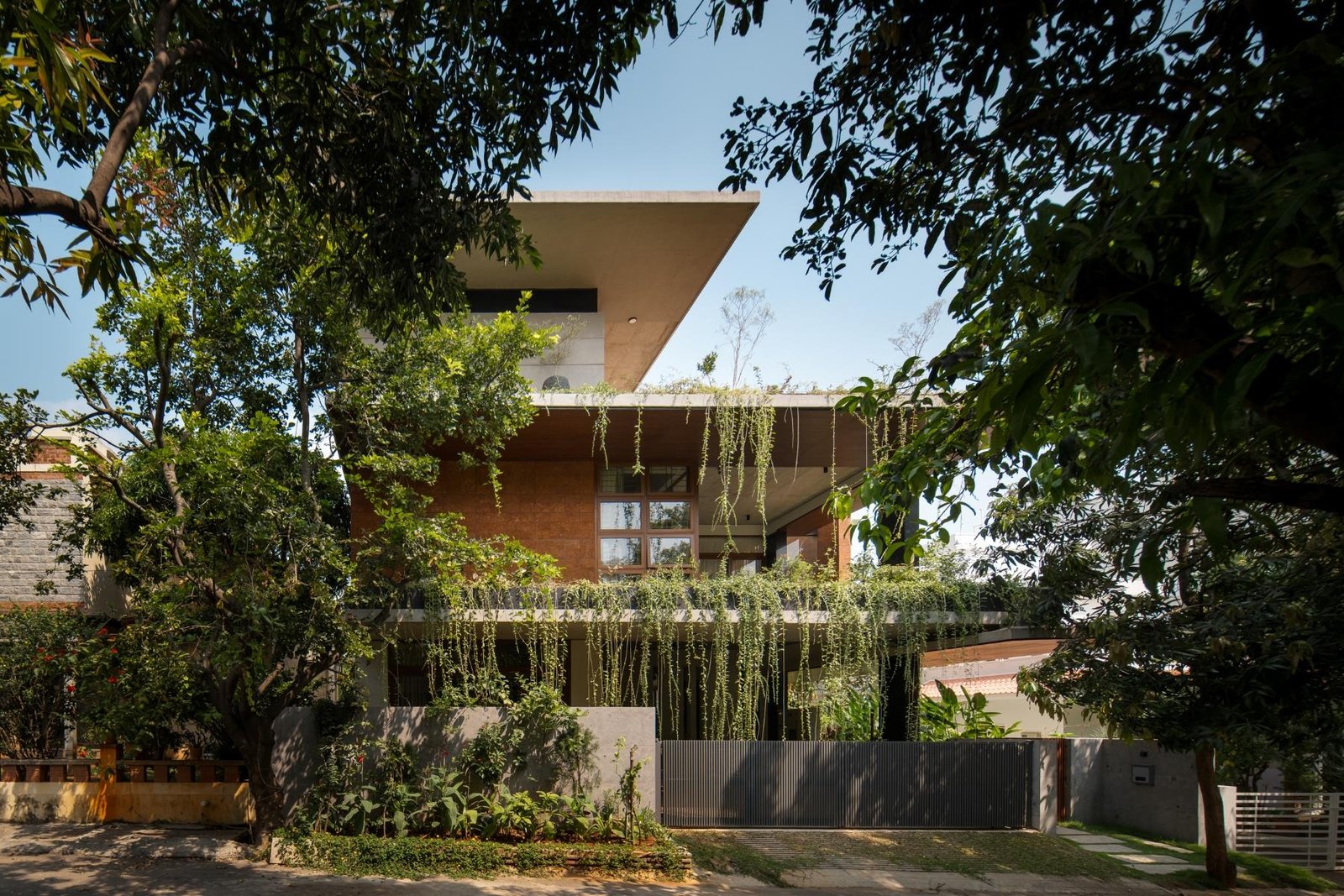
Bangalore is well known for its Gardens and its called “City of Gardens”. In a urban scenario, We look at high density urban homes, whereas here we were blessed with greenery around the site. The quest for making use of natural greens surrounding is key to create House of Greens that connects to nature physically and visually.
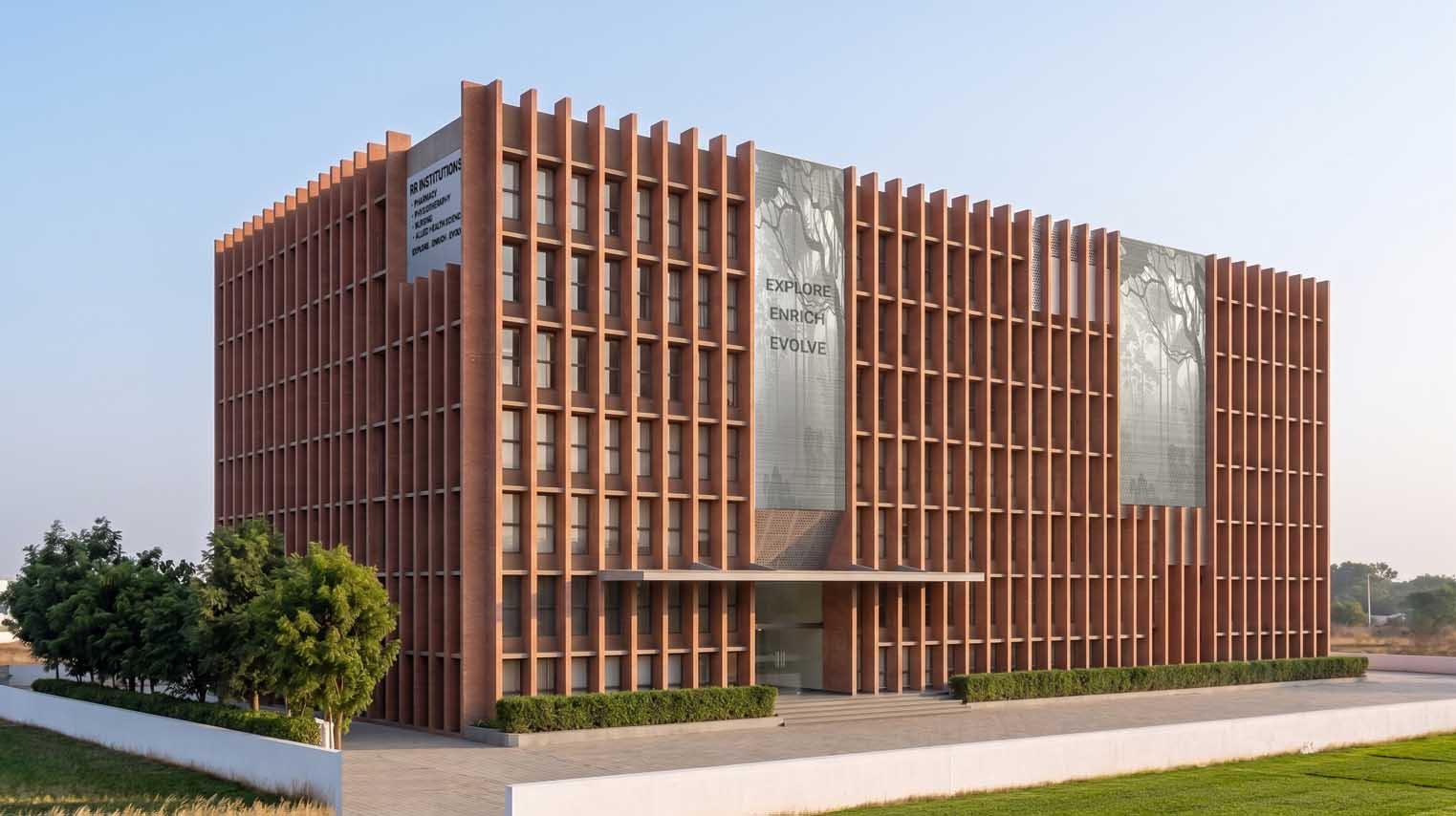
RR Institution is an upcoming educational campus in Bengaluru, designed around passive sustainability. Courtyards, a central atrium, and naturally ventilated spaces foster interaction, daylight, and thermal comfort.
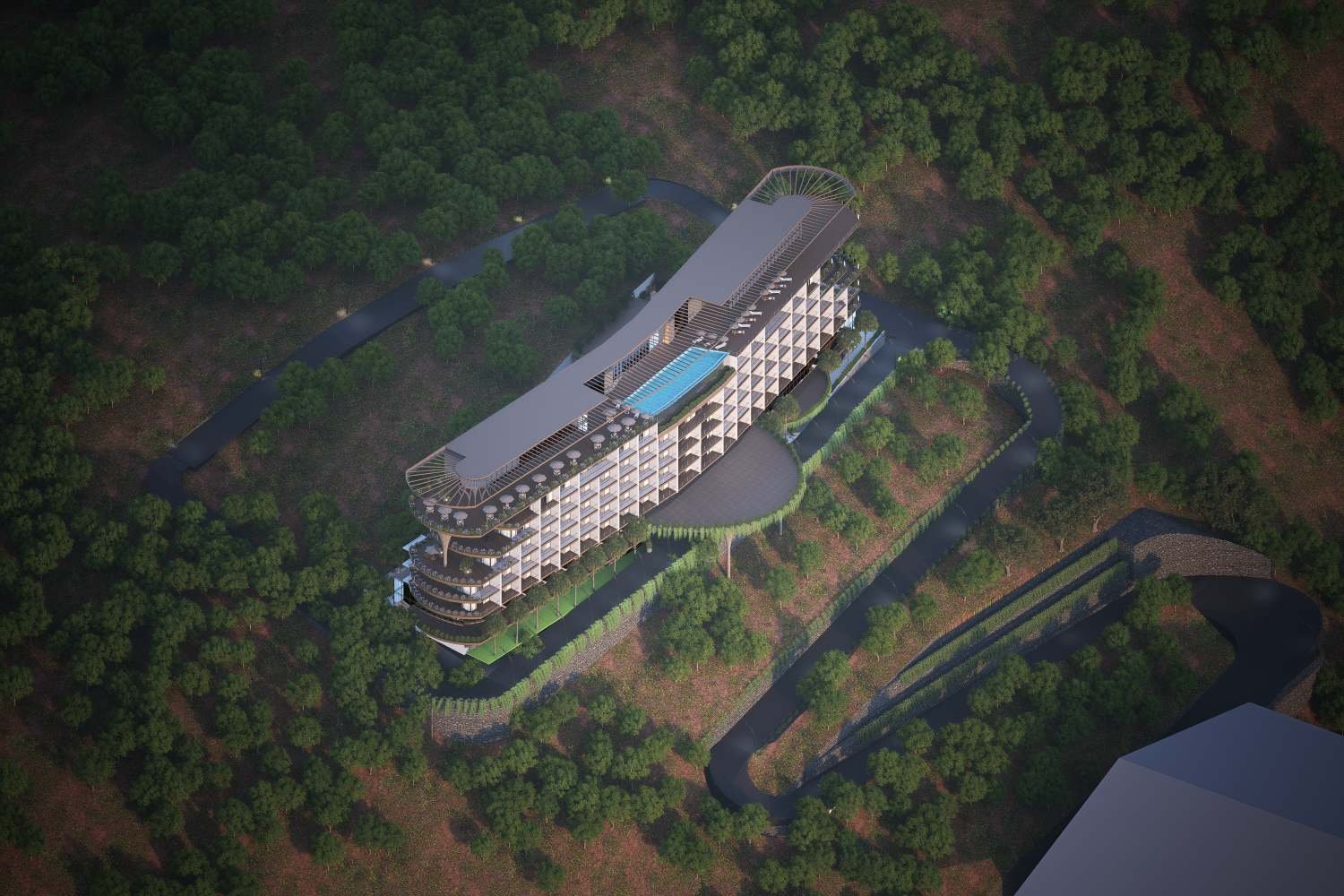
The Vizag Aurea is a luxury hotel situated on a 4.5-acre hilltop in Visakhapatnam. Accessible via PM Ekta Mall, the 152-room structure utilizes a linear design to maximize eastern sea views while minimizing environmental impact from hill excavation. The facility features two parking basements, administrative levels, and a dedicated fifth-floor amenities hub with a pool and wellness center. This layout ensures guest privacy and full NBC-compliant safety.
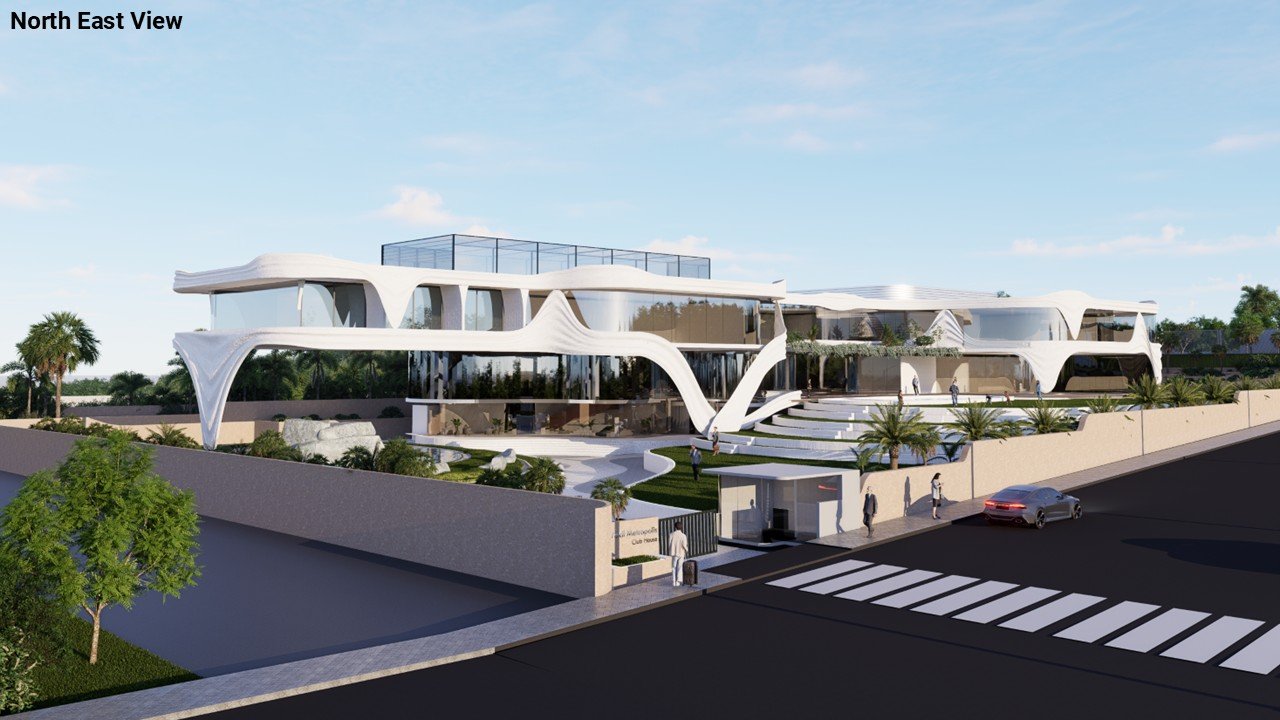
The VMP Clubhouse was designed as a social and recreational hub for a residential community, envisioned as a fluid structure with expansive open spaces. The structural system features columns that seamlessly merge into slabs with curved forms, creating a continuous spatial experience.
The clubhouse includes amenities such as a gym, spa, salon, supermarket, pet grooming, swimming pool, and indoor sports arena, along with spaces for events and gatherings. A multi-level lawn functions as an amphitheater, while the café sits within a double-height volume with a skylight. The development also features a futuristic glass-encased sales office surrounded by water and a 40 m watchtower with a viewing deck and café at the top.
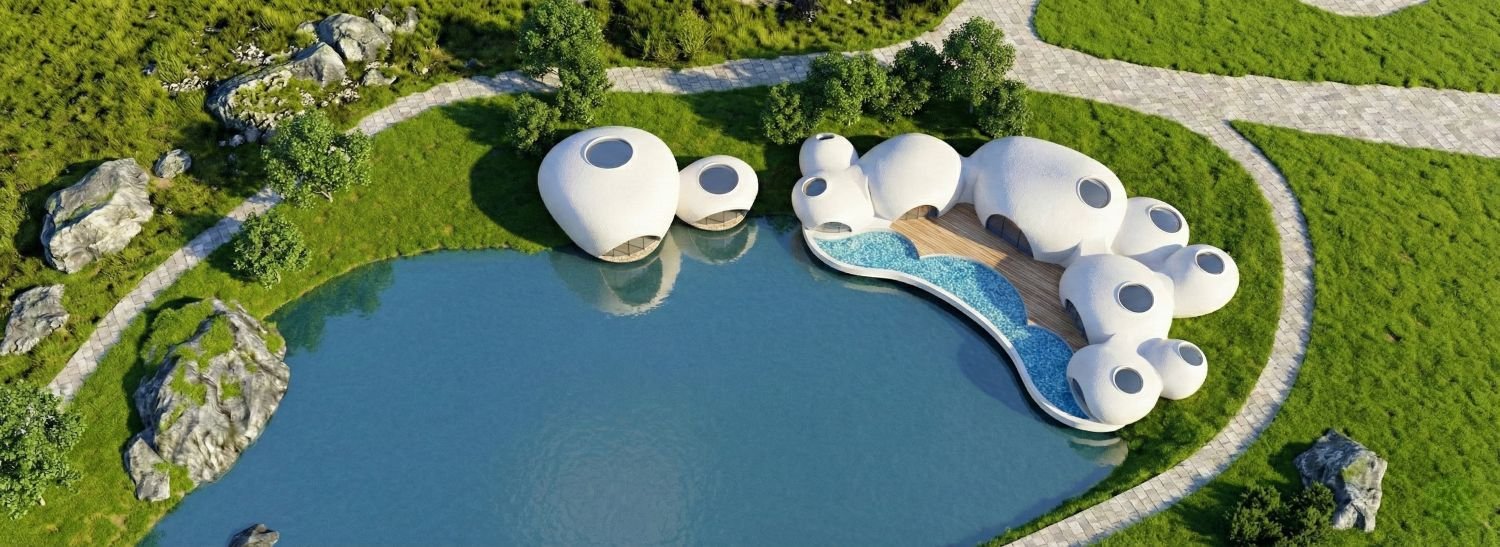
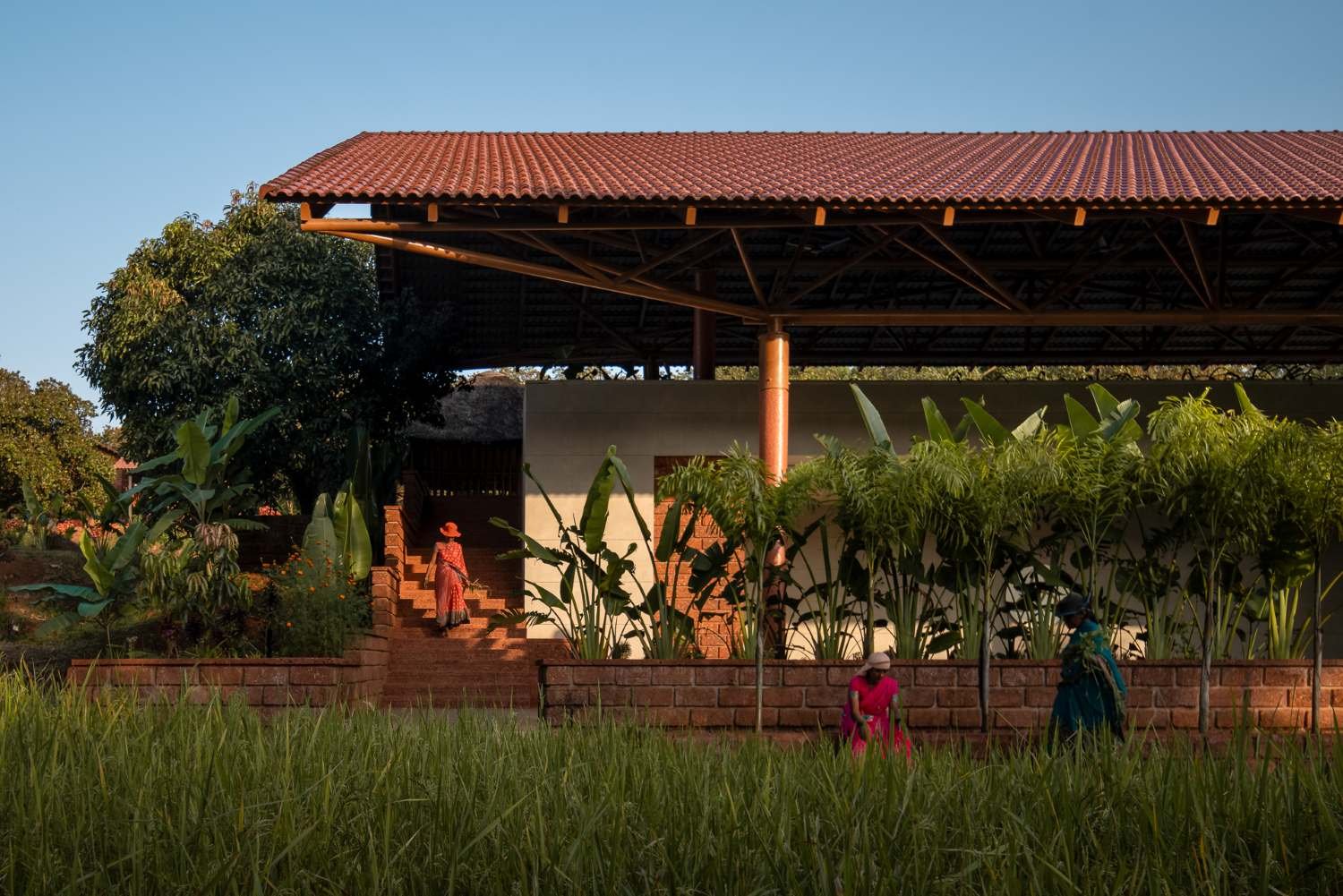
The shared space are conceived as collective pauses—fluid, climate-responsive environments where architecture dissolves into landscape. Organized as continuous inhabitable layers anchored by a soaring central void, the design fosters light, ventilation, and spontaneous human connection. From earth-bound courtyards and shaded cloisters below to an expansive upper plateau for yoga, bhajans, and celebrations, these spaces evolve with daily rituals and seasonal gatherings. More than circulation, movement becomes a sensory journey—transforming shared space into a living, breathing cultural heart of the retreat.
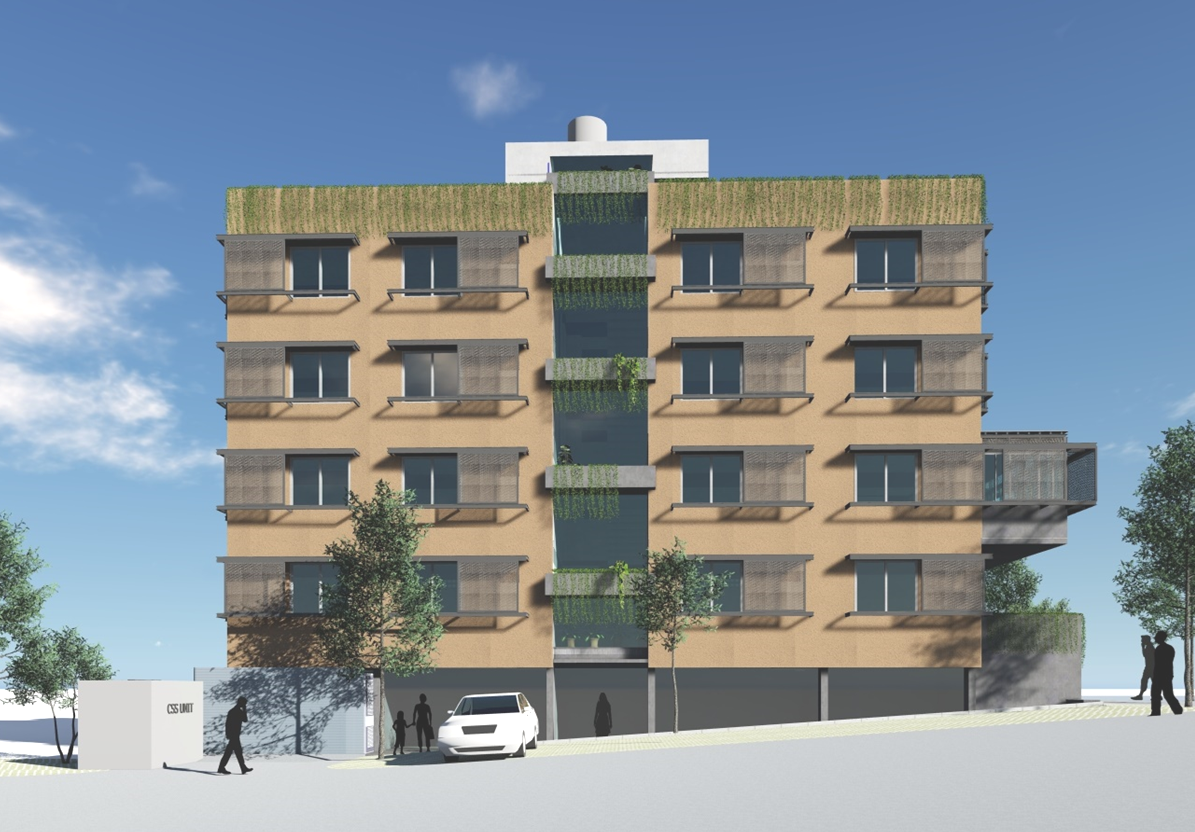
The Basava Colony PG is planned as a compact, efficient living environment that prioritizes comfort and community for two-sharing residents. Each unit accommodates two beds with an attached toilet and a small kitchenette, ensuring privacy while encouraging shared living. Balconies and well-placed openings enhance natural light and ventilation, while sunken slabs address services and waterproofing needs for long-term durability. Vertical circulation through a central stair and lift core ensures smooth access, and the terrace level with café, laundry, and social spaces fosters interaction among residents. The design thus balances the practicality of affordable, functional PG housing with the vibrancy of community life.
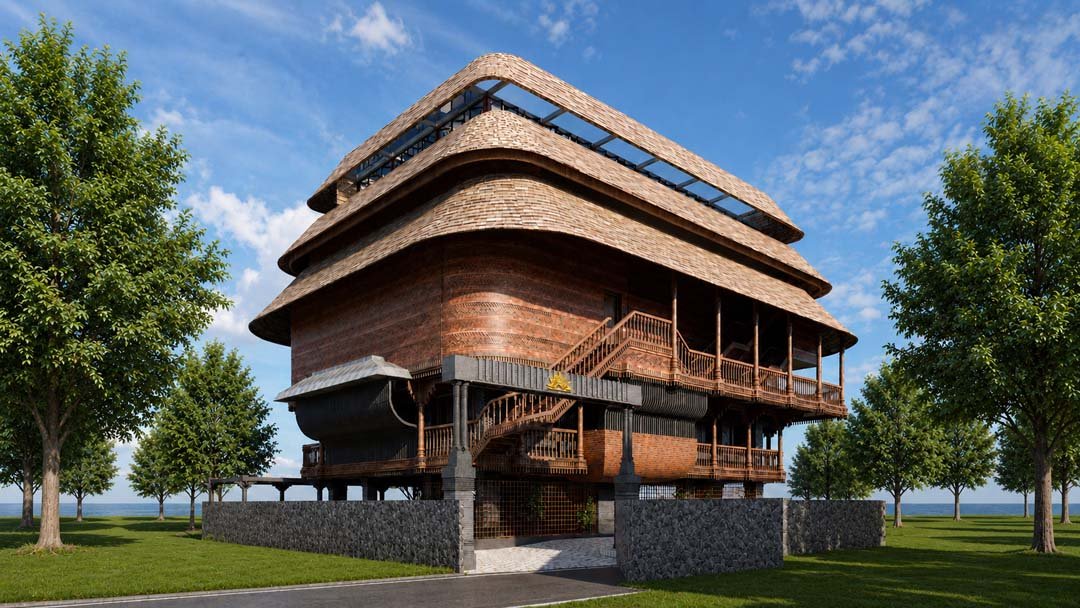
Amidst the verdant surroundings of Jayanagar, this Temple of Art stands as an architectural homage to the timeless traditions of Indian dance. Conceived as both a sanctuary for practice and a stage for performance, it blends heritage design with modern precision, creating a space where discipline and expression coexist.
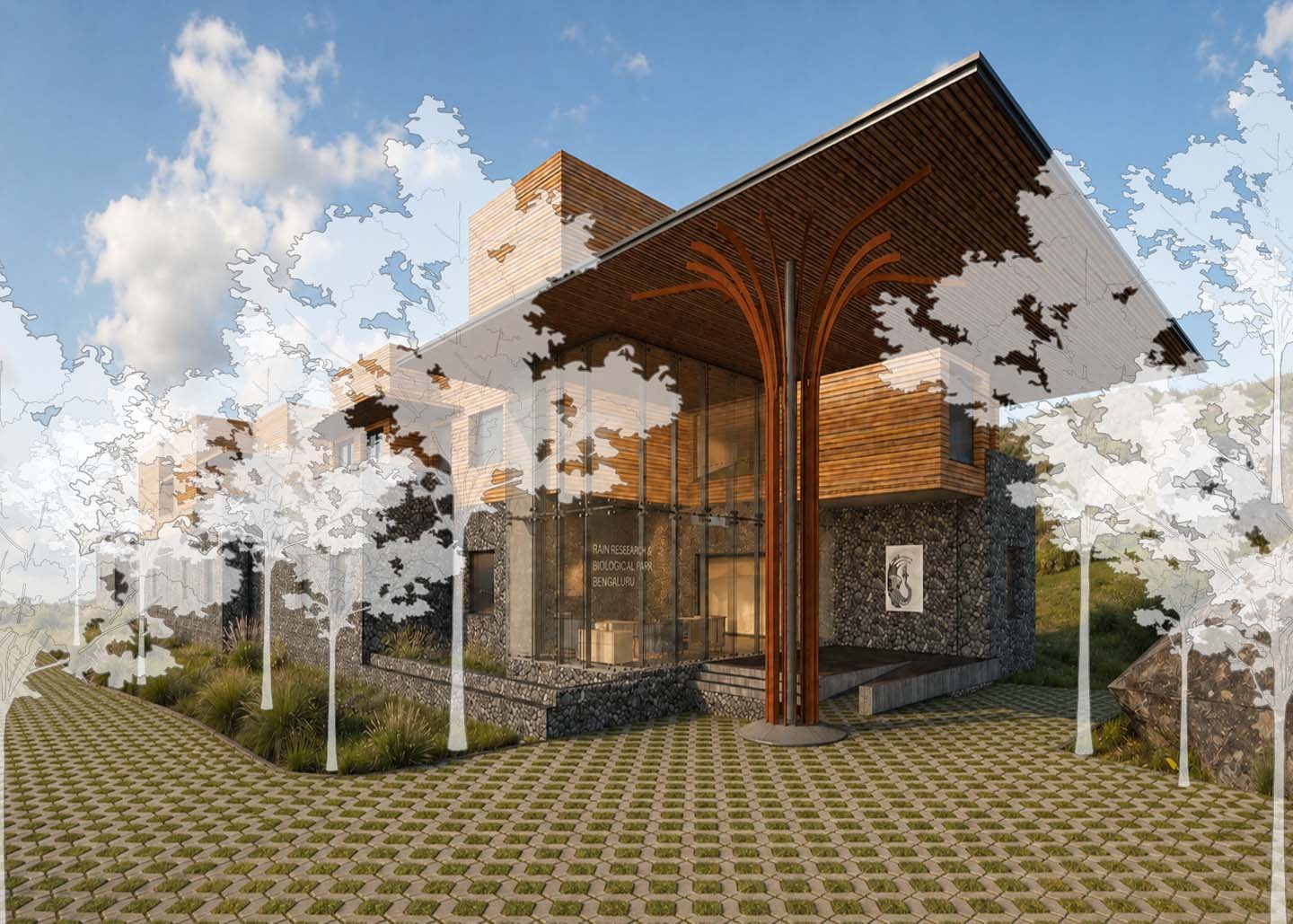
“Zoo and Nature”—a pairing that brings to mind the delicate balance between human intervention and the wild beauty of the natural world. Zoos, when ethically managed, can be vital for conservation, offering endangered species a chance to thrive and educating visitors about the importance of biodiversity. Nature, on the other hand, is an unstructured symphony of life where species interact freely in ecosystems shaped by millennia.