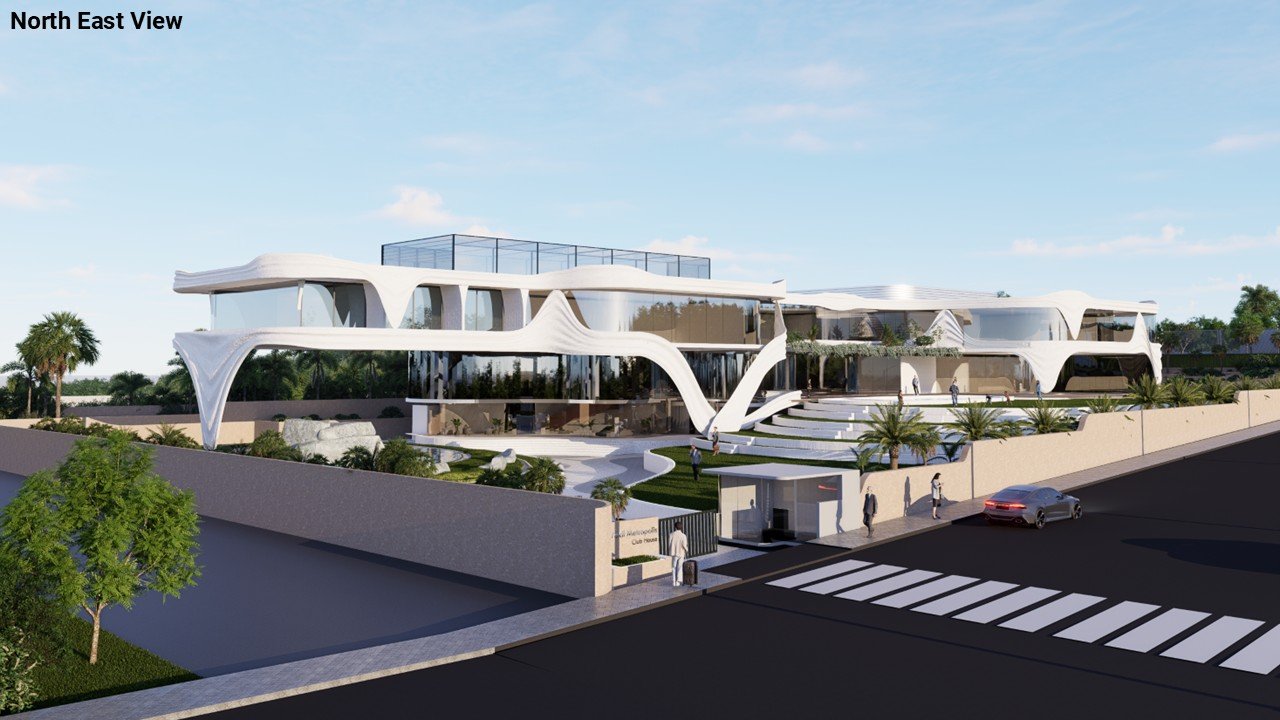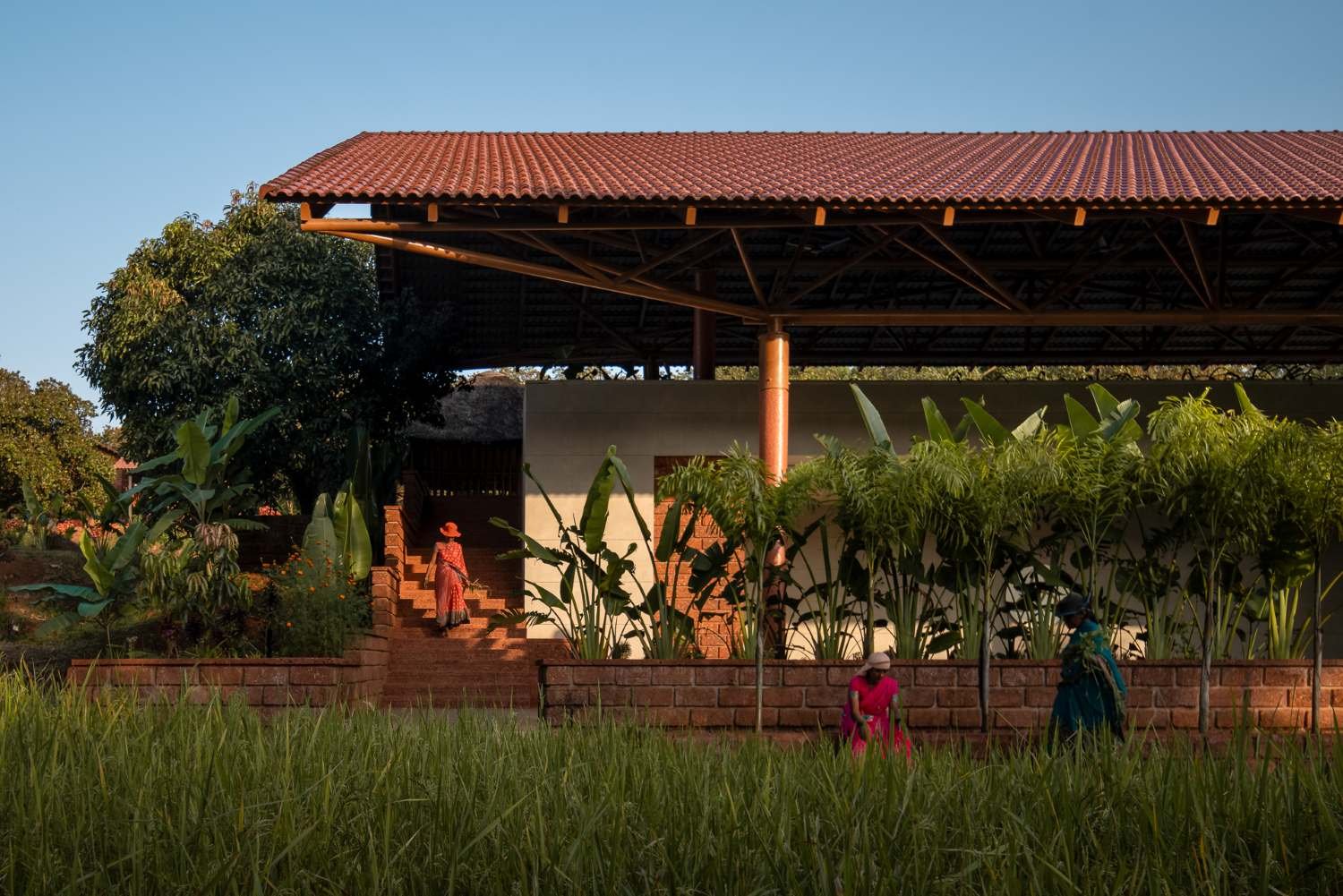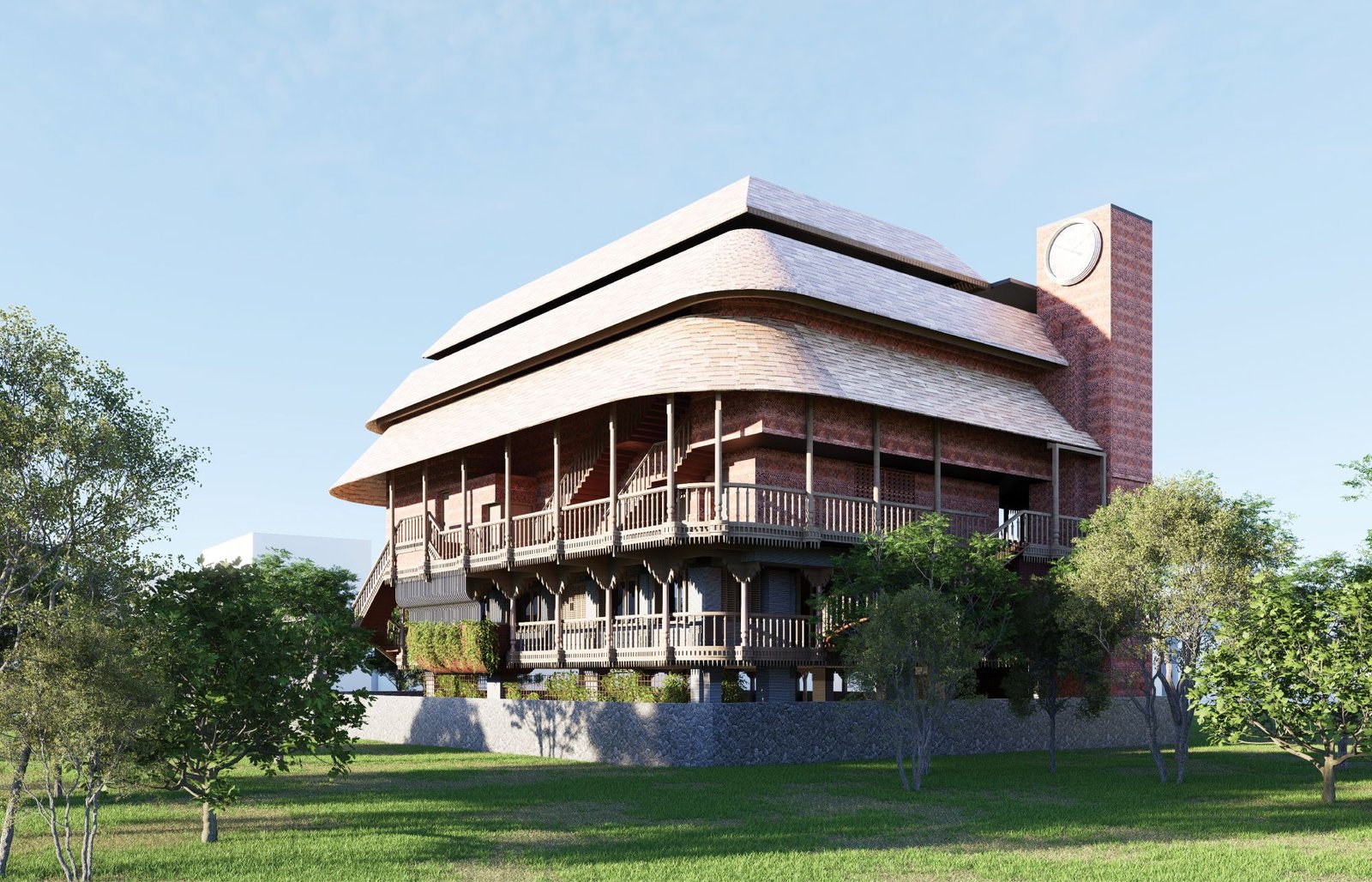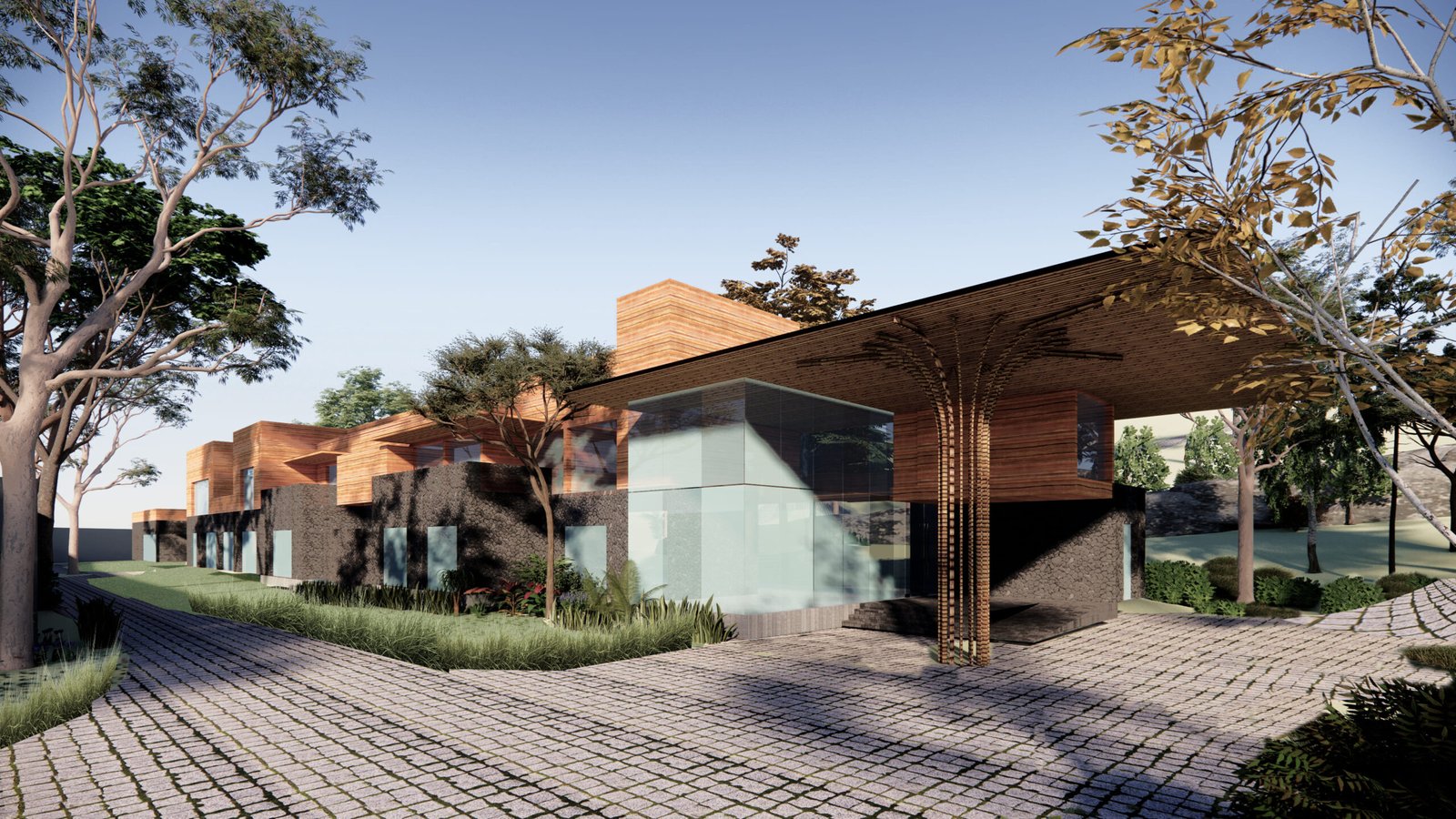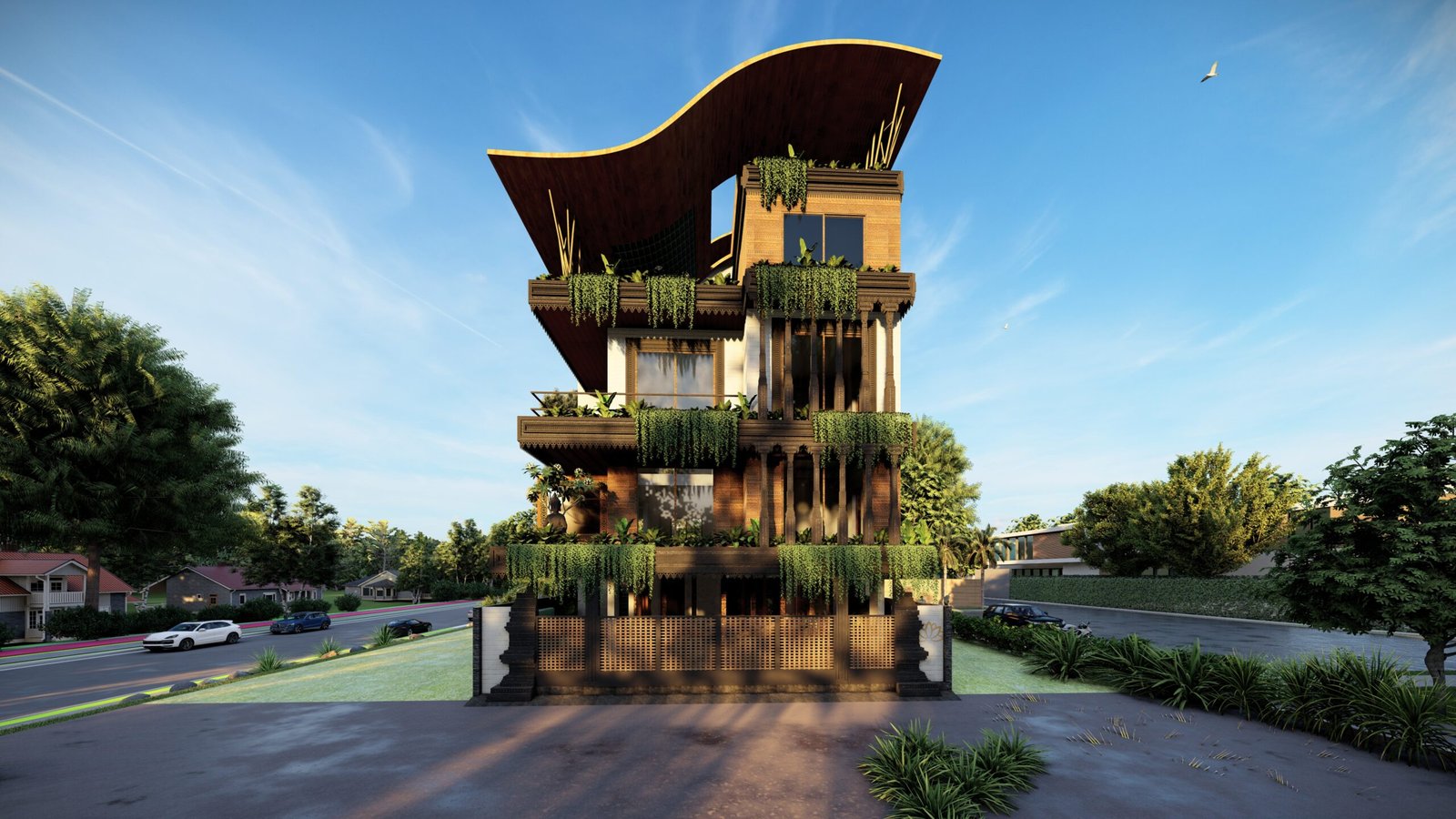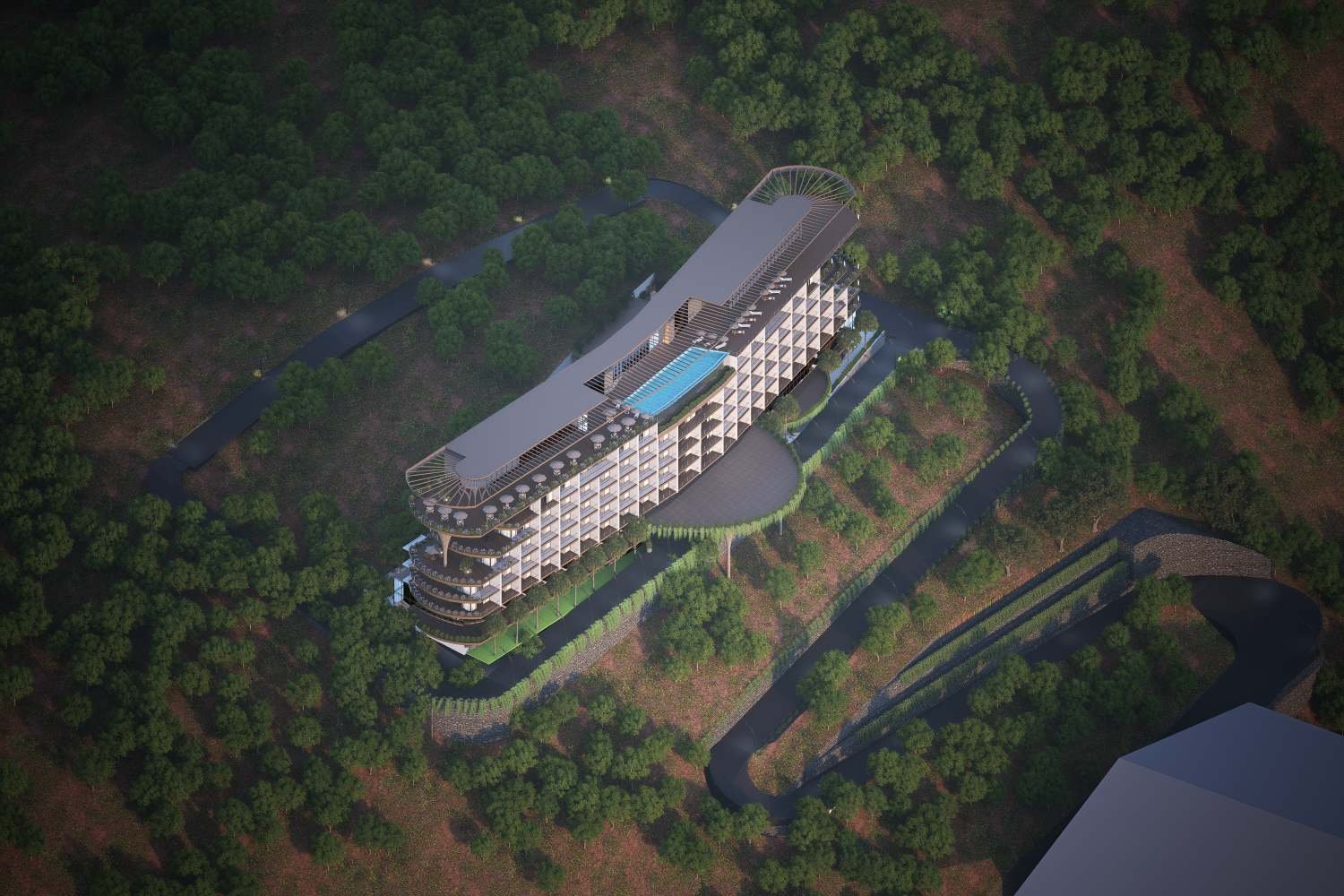


The shared space are conceived as collective pauses—fluid, climate-responsive environments where architecture dissolves into landscape. Organized as continuous inhabitable layers anchored by a soaring central void, the design fosters light, ventilation, and spontaneous human connection. From earth-bound courtyards and shaded cloisters below to an expansive upper plateau for yoga, bhajans, and celebrations, these spaces evolve with daily rituals and seasonal gatherings. More than circulation, movement becomes a sensory journey—transforming shared space into a living, breathing cultural heart of the retreat.

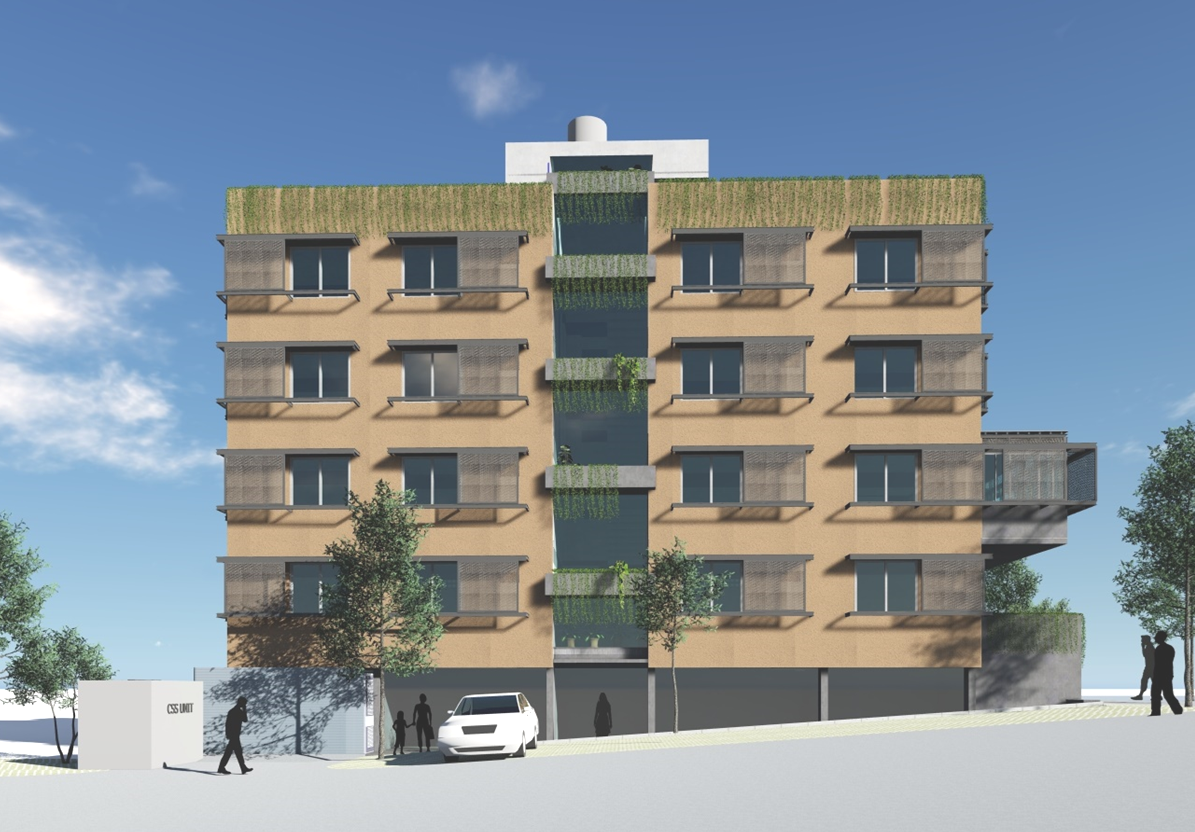
The Basava Colony PG is planned as a compact, efficient living environment that prioritizes comfort and community for two-sharing residents. Each unit accommodates two beds with an attached toilet and a small kitchenette, ensuring privacy while encouraging shared living. Balconies and well-placed openings enhance natural light and ventilation, while sunken slabs address services and waterproofing needs for long-term durability. Vertical circulation through a central stair and lift core ensures smooth access, and the terrace level with café, laundry, and social spaces fosters interaction among residents. The design thus balances the practicality of affordable, functional PG housing with the vibrancy of community life.

Amidst the verdant surroundings of Jayanagar, this Temple of Art stands as an architectural homage to the timeless traditions of Indian dance. Conceived as both a sanctuary for practice and a stage for performance, it blends heritage design with modern precision, creating a space where discipline and expression coexist.

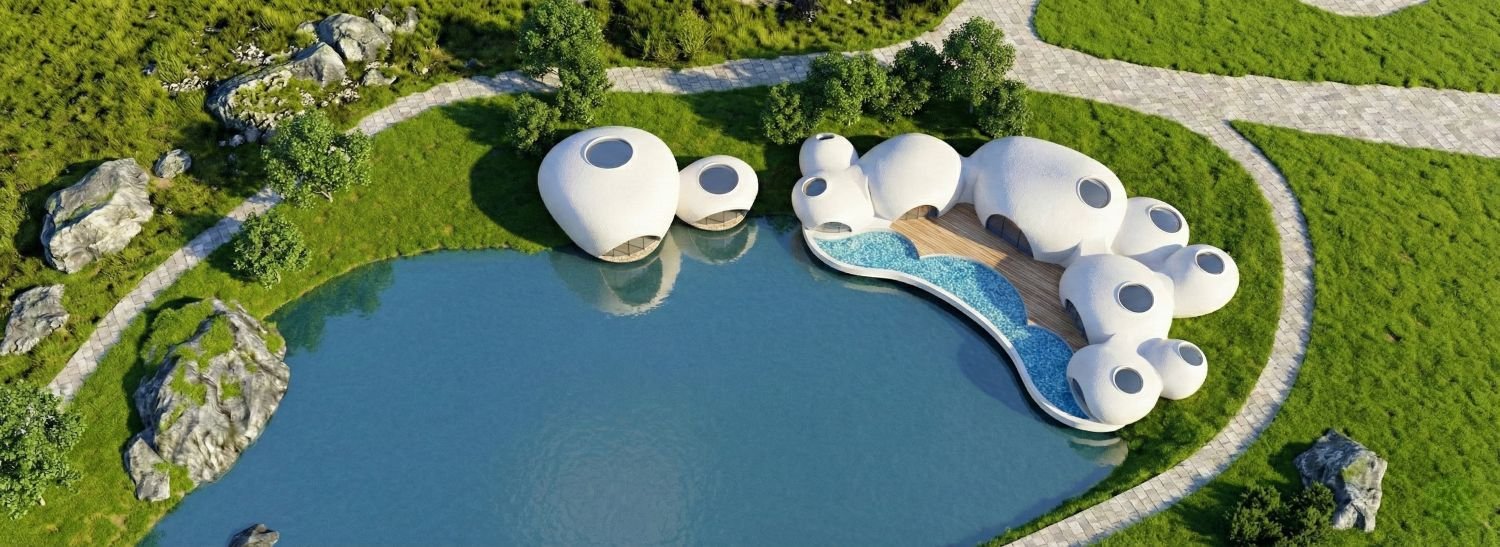
“Zoo and Nature”—a pairing that brings to mind the delicate balance between human intervention and the wild beauty of the natural world. Zoos, when ethically managed, can be vital for conservation, offering endangered species a chance to thrive and educating visitors about the importance of biodiversity. Nature, on the other hand, is an unstructured symphony of life where species interact freely in ecosystems shaped by millennia.

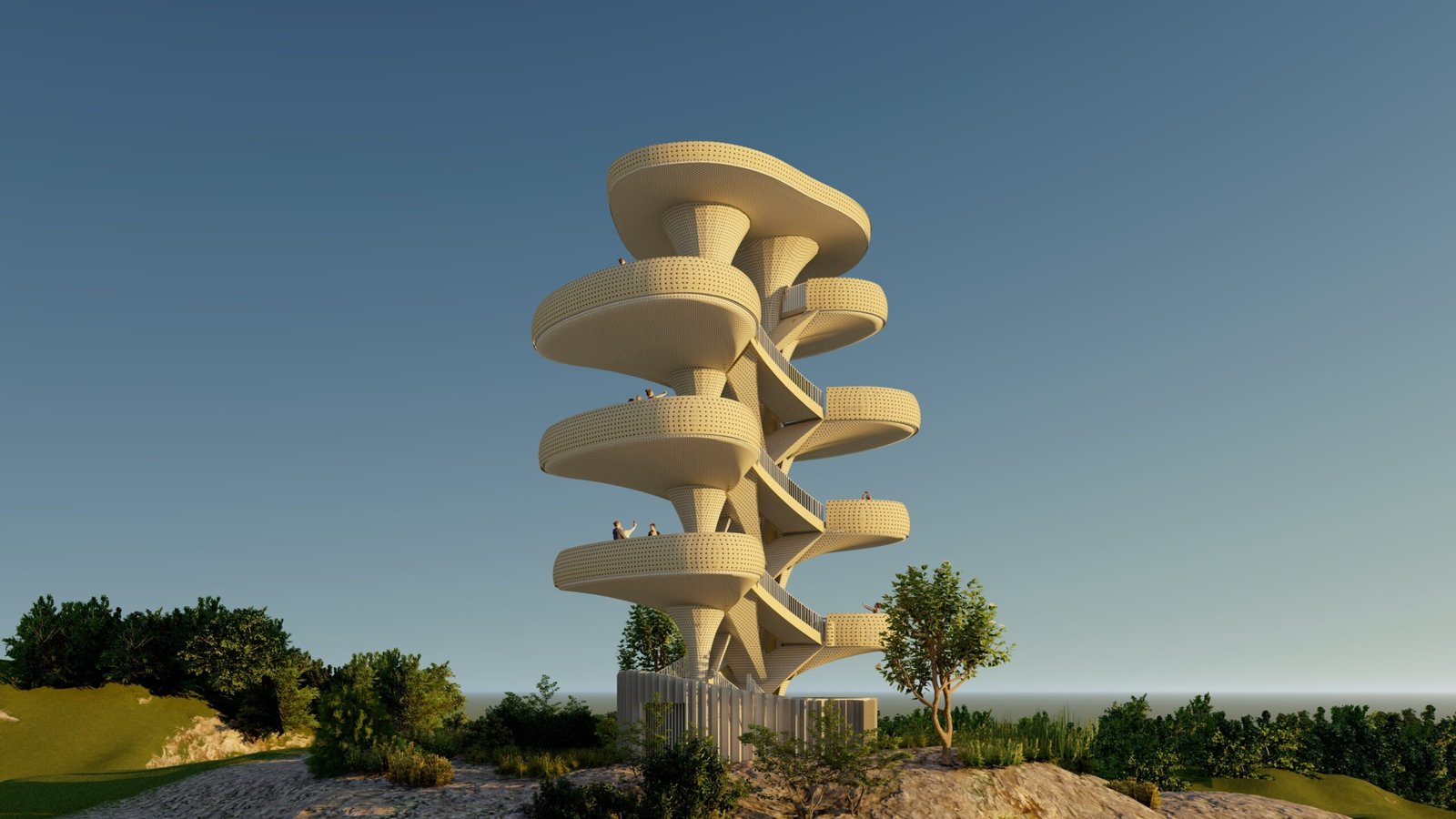
The Observation Tower is a biophilic landmark inspired by mushroom growth, with sculptural decks that offer layered pauses and panoramic views. Its biomimetic form fosters harmony with nature while ensuring fluid, accessible circulation. Built with resilient, sustainable materials and passive strategies, the porous structure weaves light, air, and landscape through it, creating an immersive, inclusive, and restorative public space.

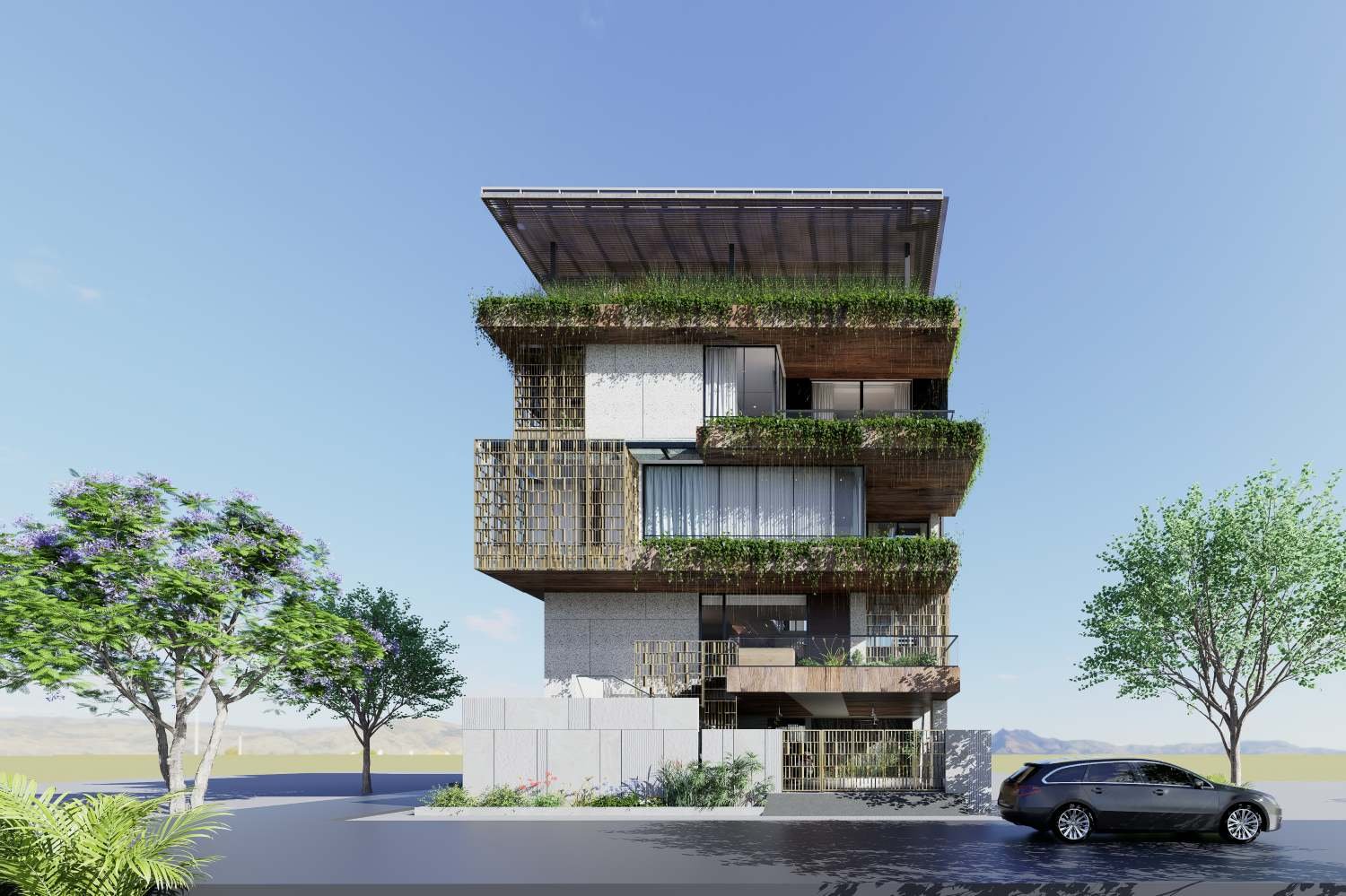
This multi-generational urban residence balances privacy, openness, and nature through clear zoning and fluid circulation. The first floor forms the social core around a pooja room and garden court, while upper levels house private bedrooms and lounges opening to terraces and landscaped courts. Recreational spaces at the terrace level—gym, theatre, and open-to-sky gardens—reinforce the roof as a living space. Spatial porosity is achieved through voids, balconies, and cutouts that bring ventilation and visual connectivity. With a rhythm of solid and transparent surfaces, creeper-clad facades, and green courts, the home becomes a seamless dialogue between built and unbuilt, offering an intimate yet uplifting environment.

This residence for a family of classical dancers is conceived as a poetic union of tradition and modernity. Inspired by Indo-Asian temple architecture, it unfolds like a temple complex where daily life and artistic devotion coexist. Stone plinths, textured walls, and sculptural detailing evoke temple grandeur, while contemporary interiors ensure comfort, sustainability, and flow. Cultural motifs reappear in reinterpreted forms such as jaali screens. More than a dwelling, the home becomes a living expression of heritage—rooted in sacred tradition yet attuned to modern life.

Mr. Shanmuganathan’s residence in Bangalore is organized around a central double-height courtyard, creating openness while maintaining privacy through layered zoning. Perforated brick screens filter daylight into soft patterns, while staircases and skylights enhance transparency and flow. Ground-level public areas, first-floor living and pooja spaces, upper-level bedrooms, and a multipurpose terrace each offer distinct experiences. Brick, stone, and crafted details anchor the design in warmth, making it a contemporary yet rooted home that harmonizes nature, privacy, and spatial richness.

House of Books and Blocks is envisioned as a home where the library forms the heart, shaping all other spaces around it. The design flows inward, creating a private sanctuary where natural light filters through expansive openings to illuminate bookshelves across multiple levels. Reading nooks are woven into living, dining, and private areas, ensuring the presence of books throughout daily life. Wood, stone, and glass combine for an organic atmosphere, while double-height glazing around the central court brings light and openness without compromising privacy.
Receive our latest news and updates in your inbox.