A community pavilion shaped by climate, landscape, and collective experience.
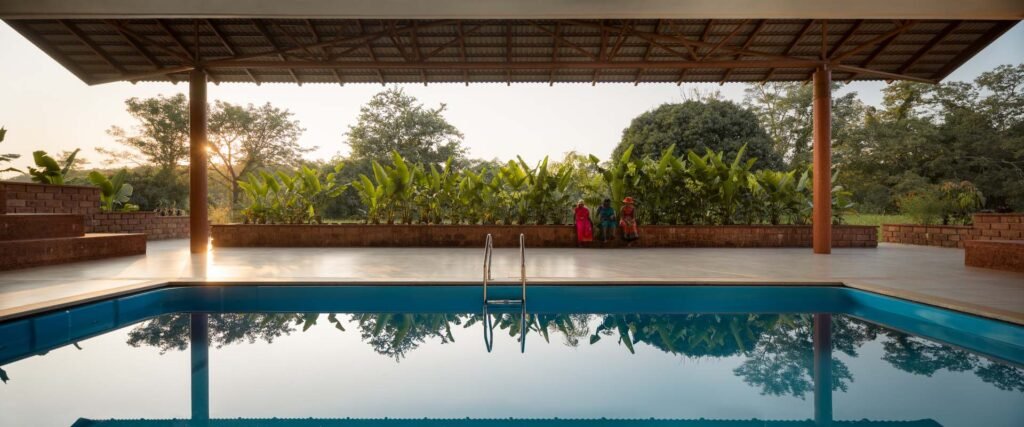
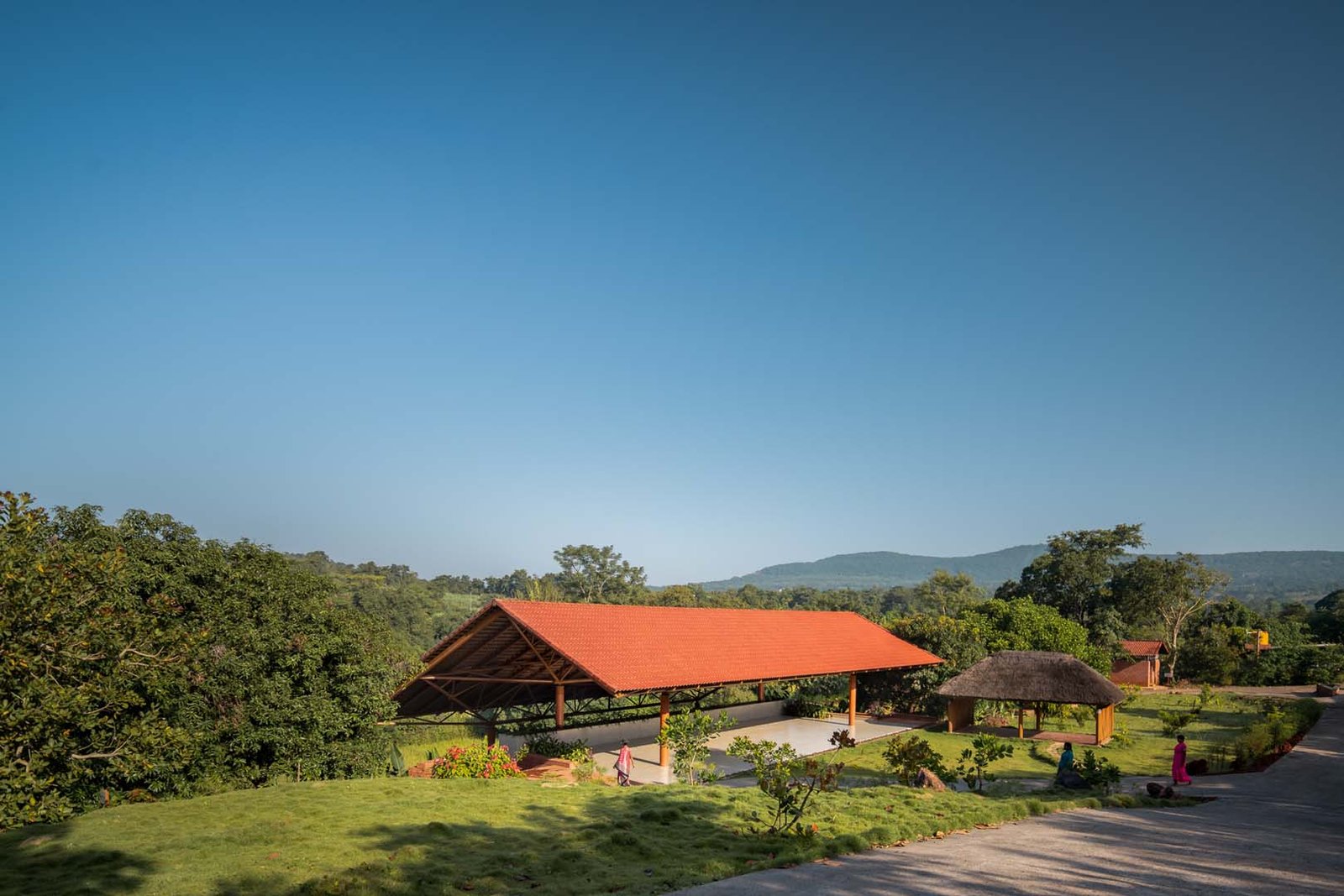
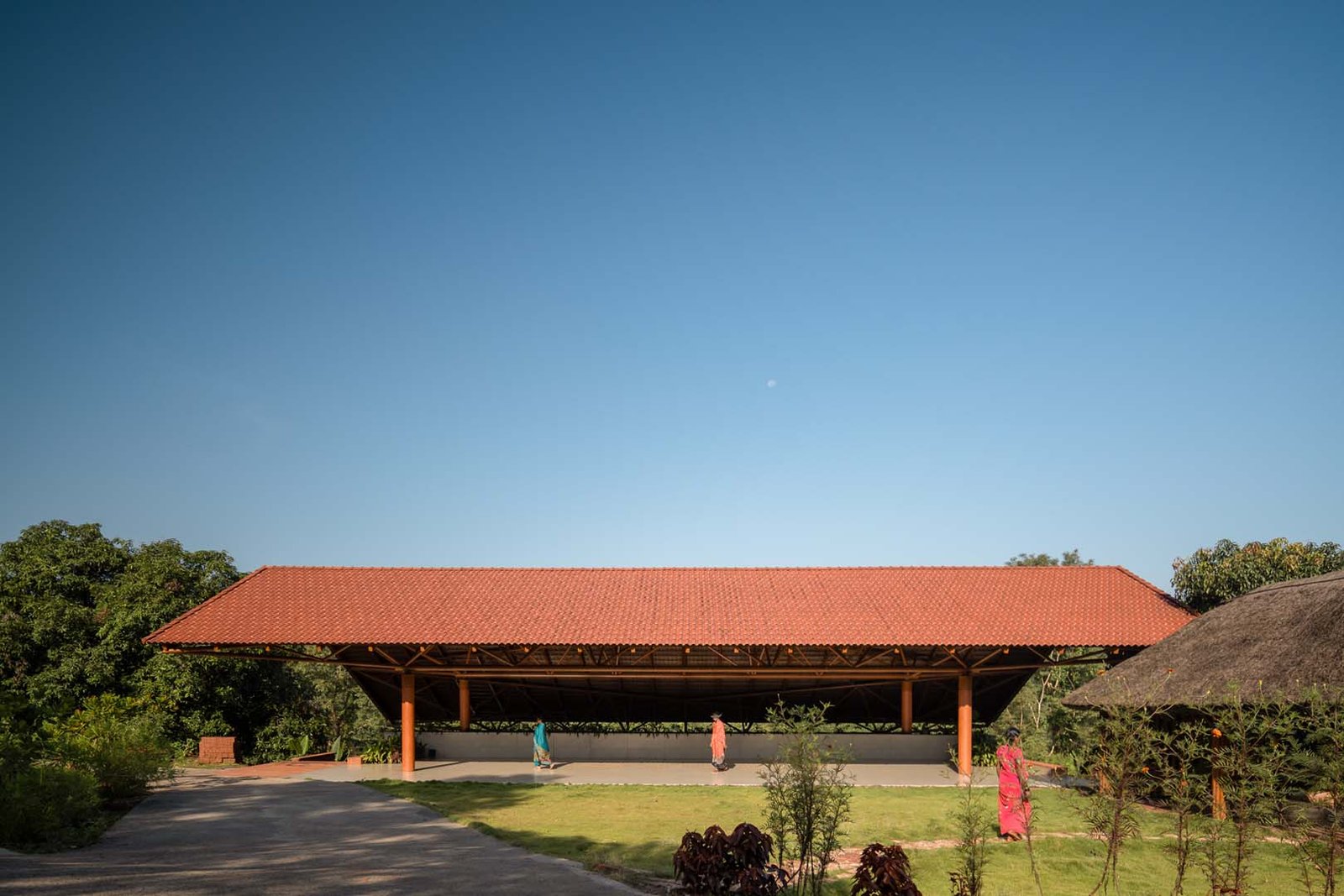
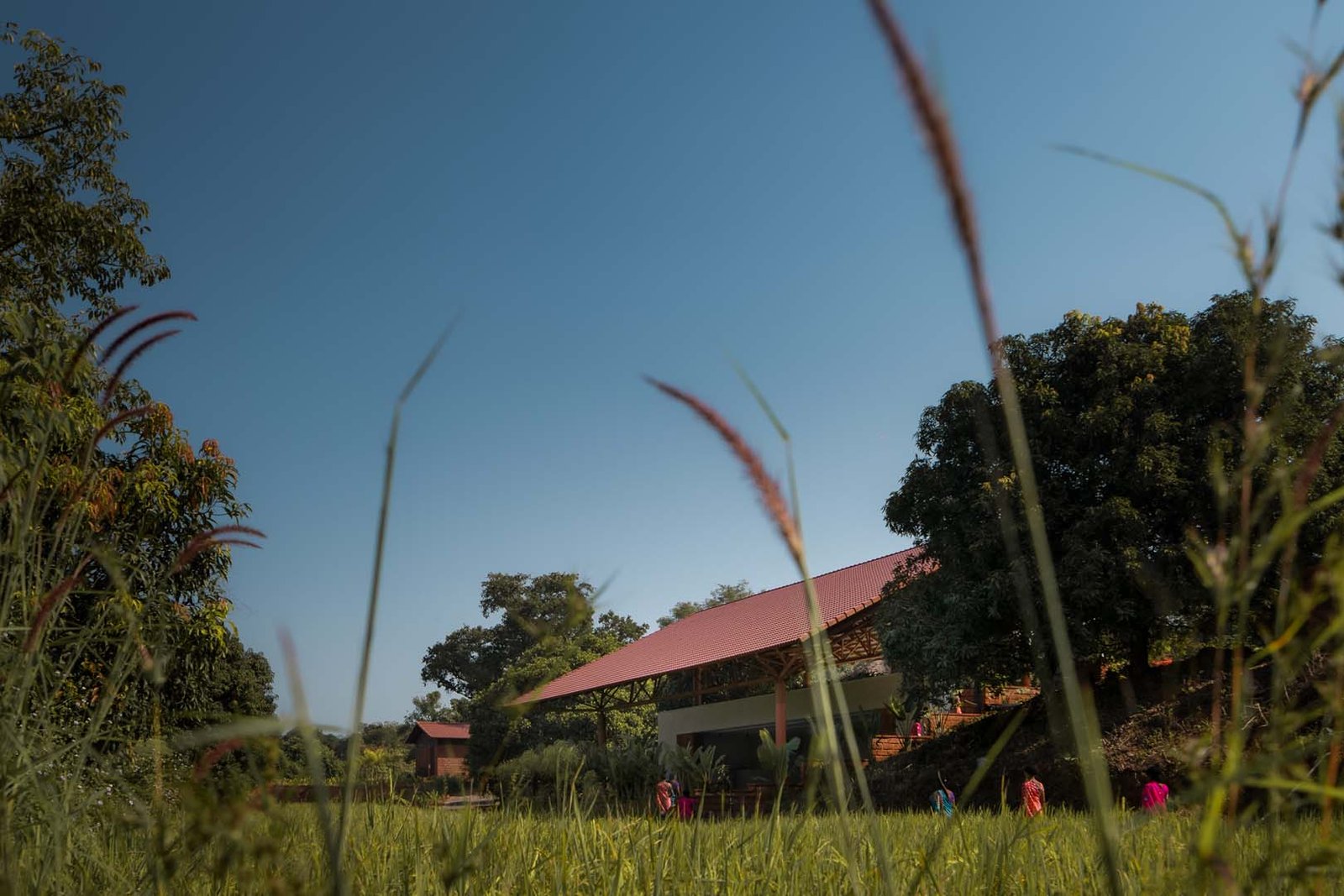
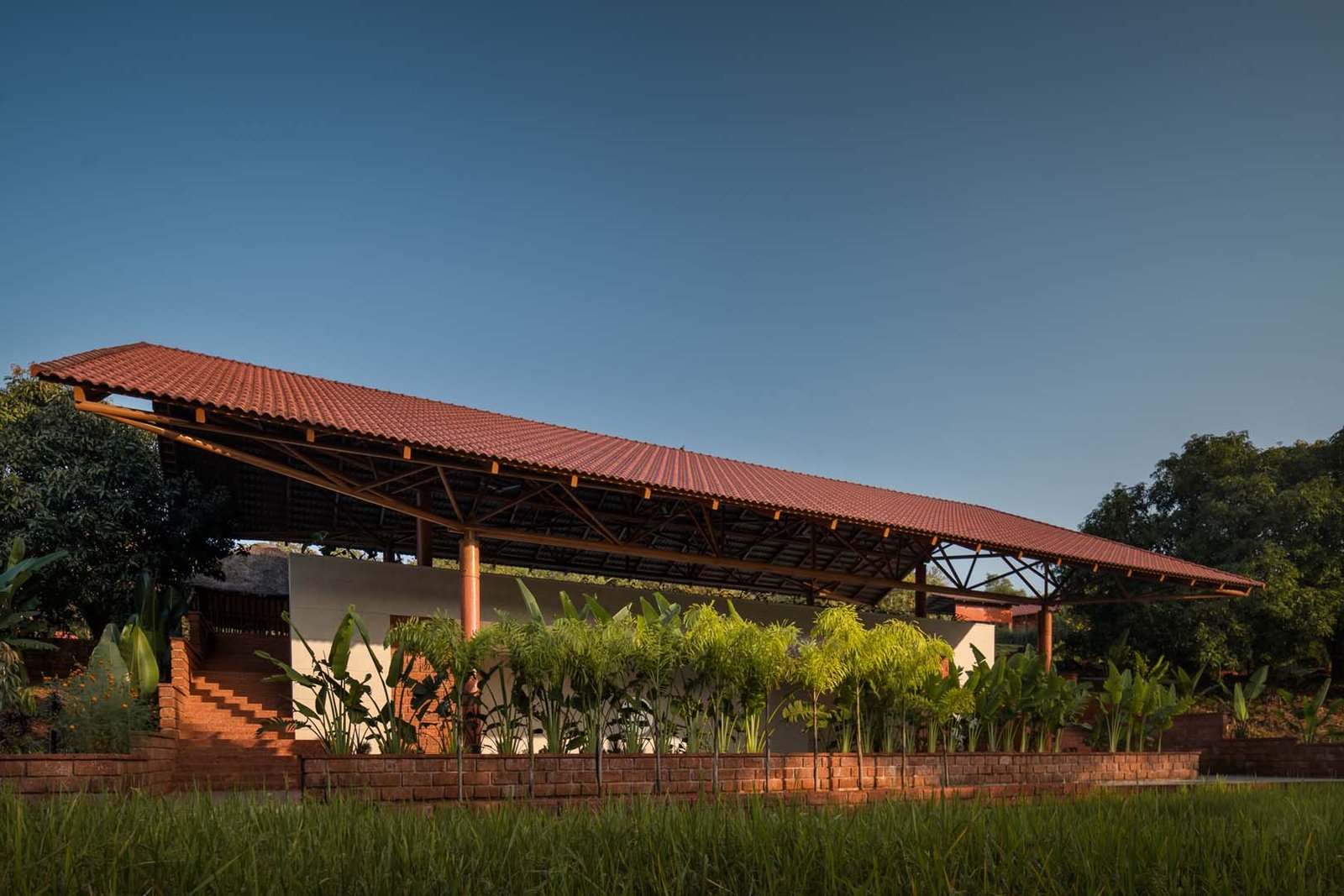
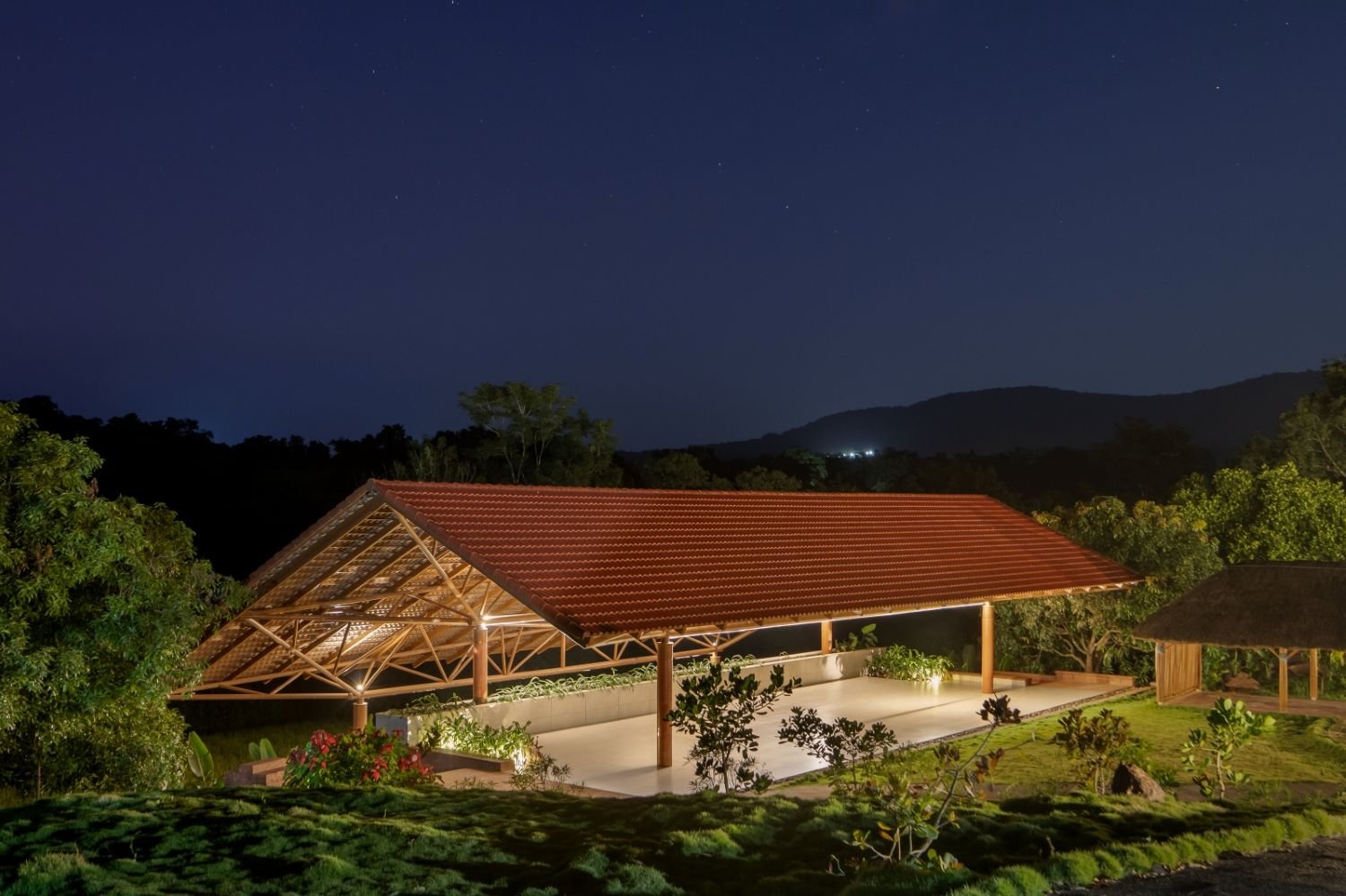
Hospitality today is no longer about rooms. It is about experiences that people remember — and return for. Shared Space is conceived as a climate-responsive, large-span gathering pavilion embedded within a 6+ acre landscape. The architecture operates as a continuous inhabitable layer — allowing flexible programming for: Retreat gatherings, Wellness workshops, Community dining, Cultural events, and Seasonal activations.
STATUS
Completed
YEAR
2025
LOCATION
Belagavi, India
TYPOLOGY
Pavillion
SCOPE
Architecture
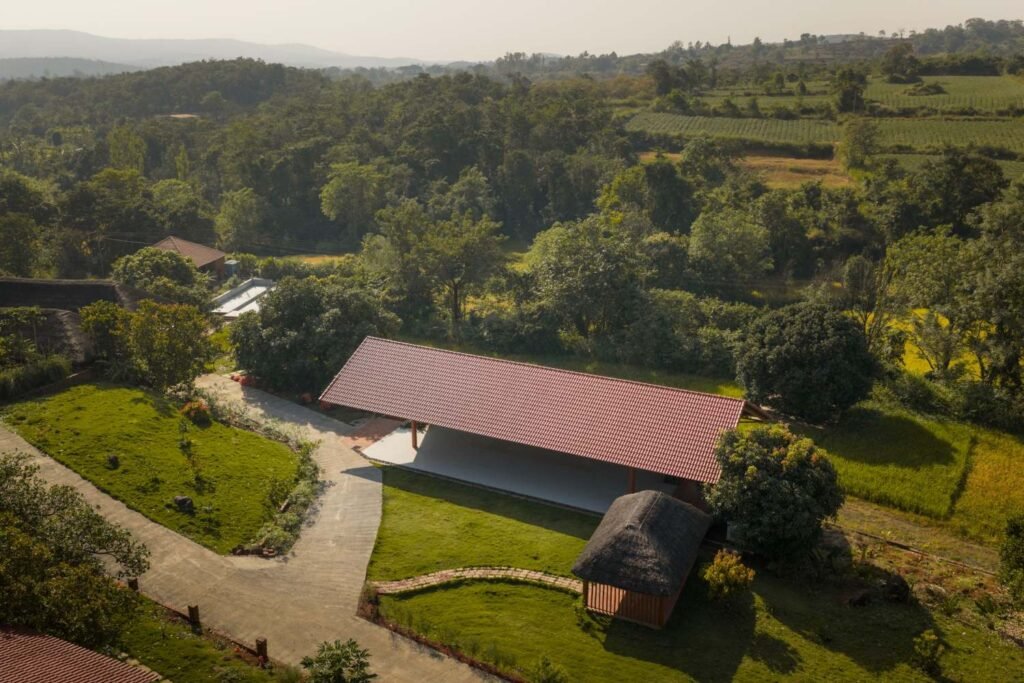
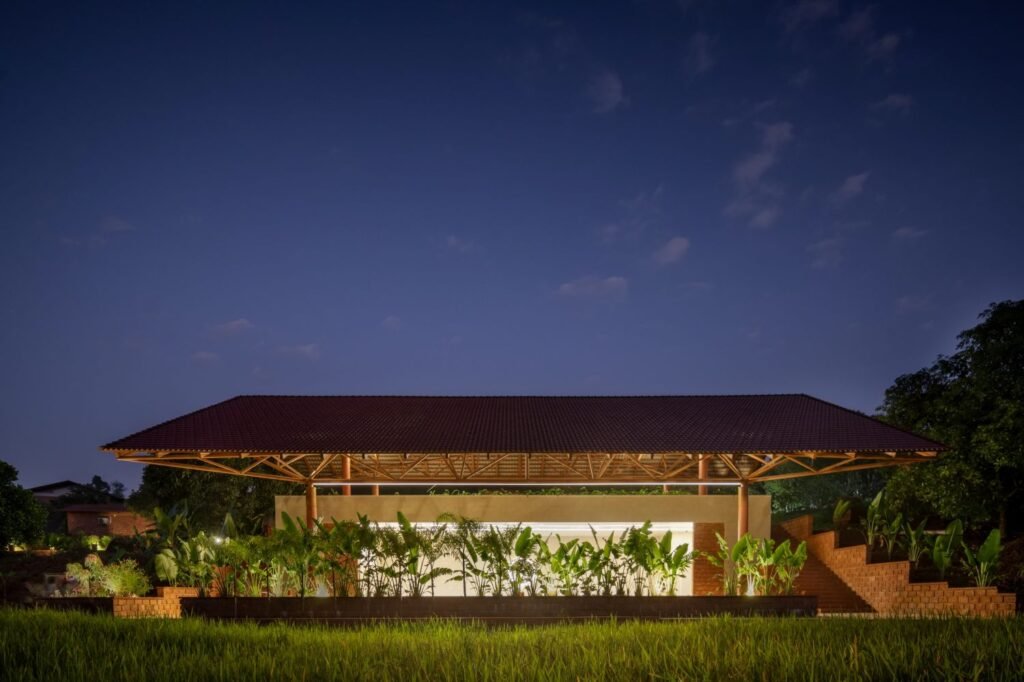
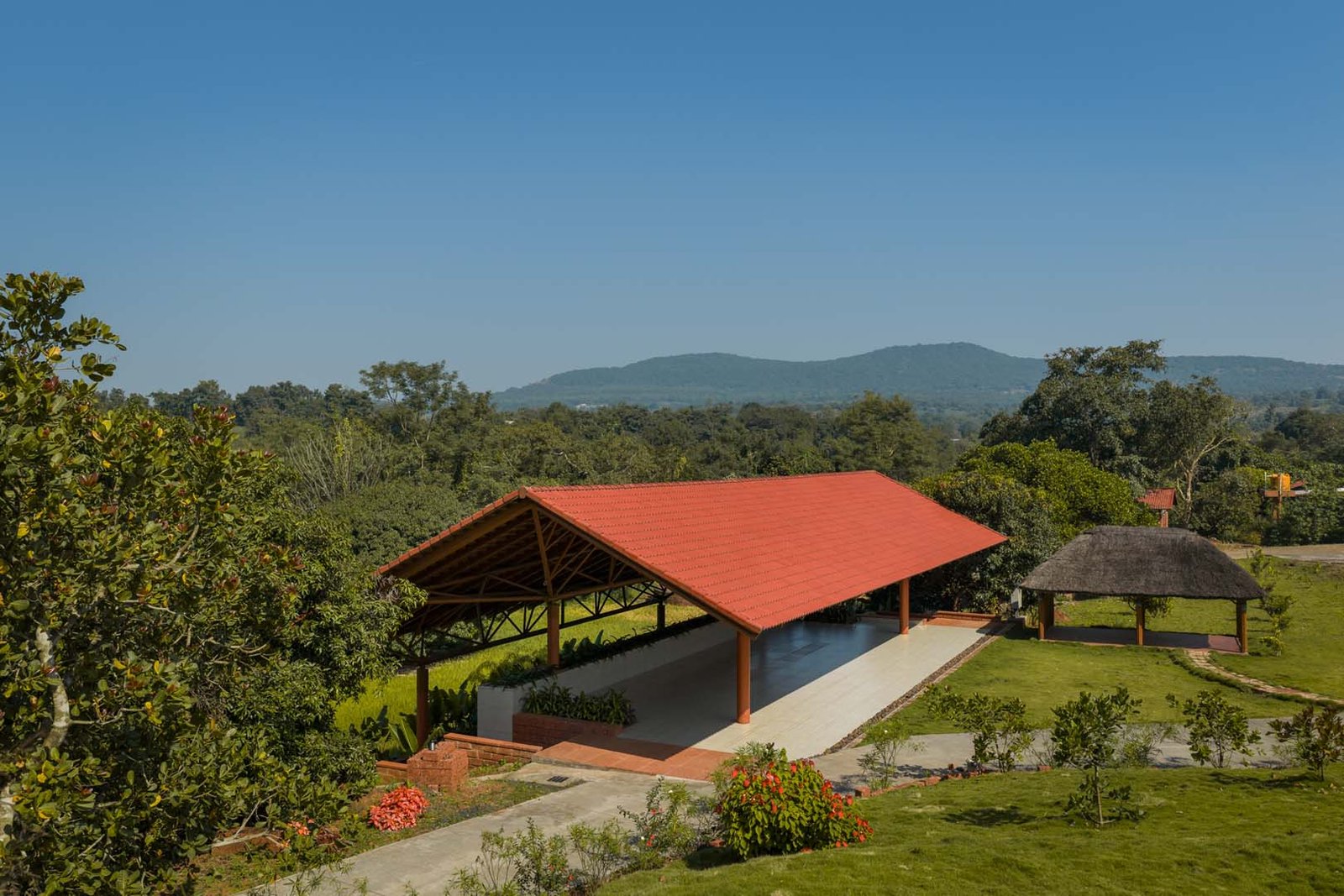
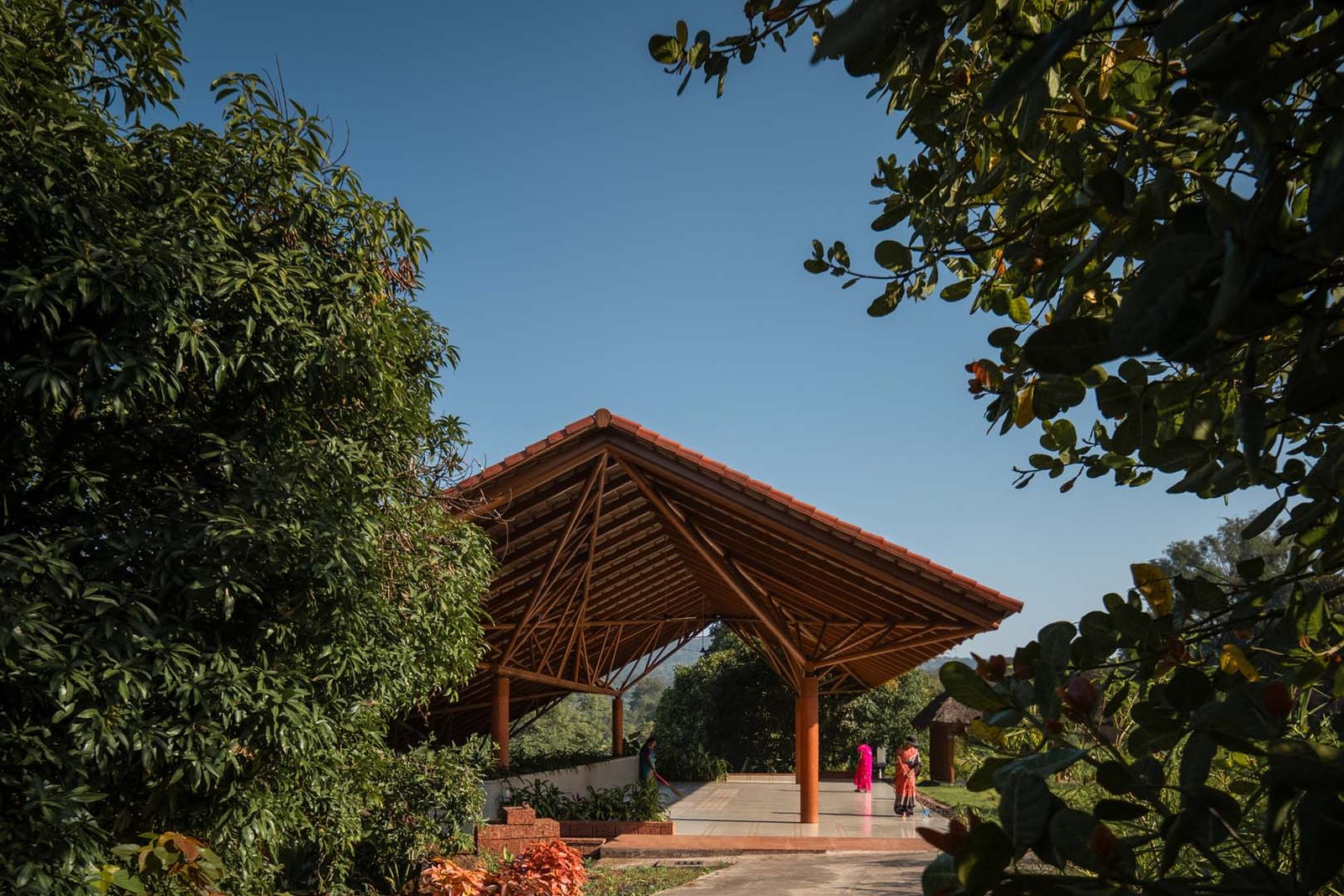
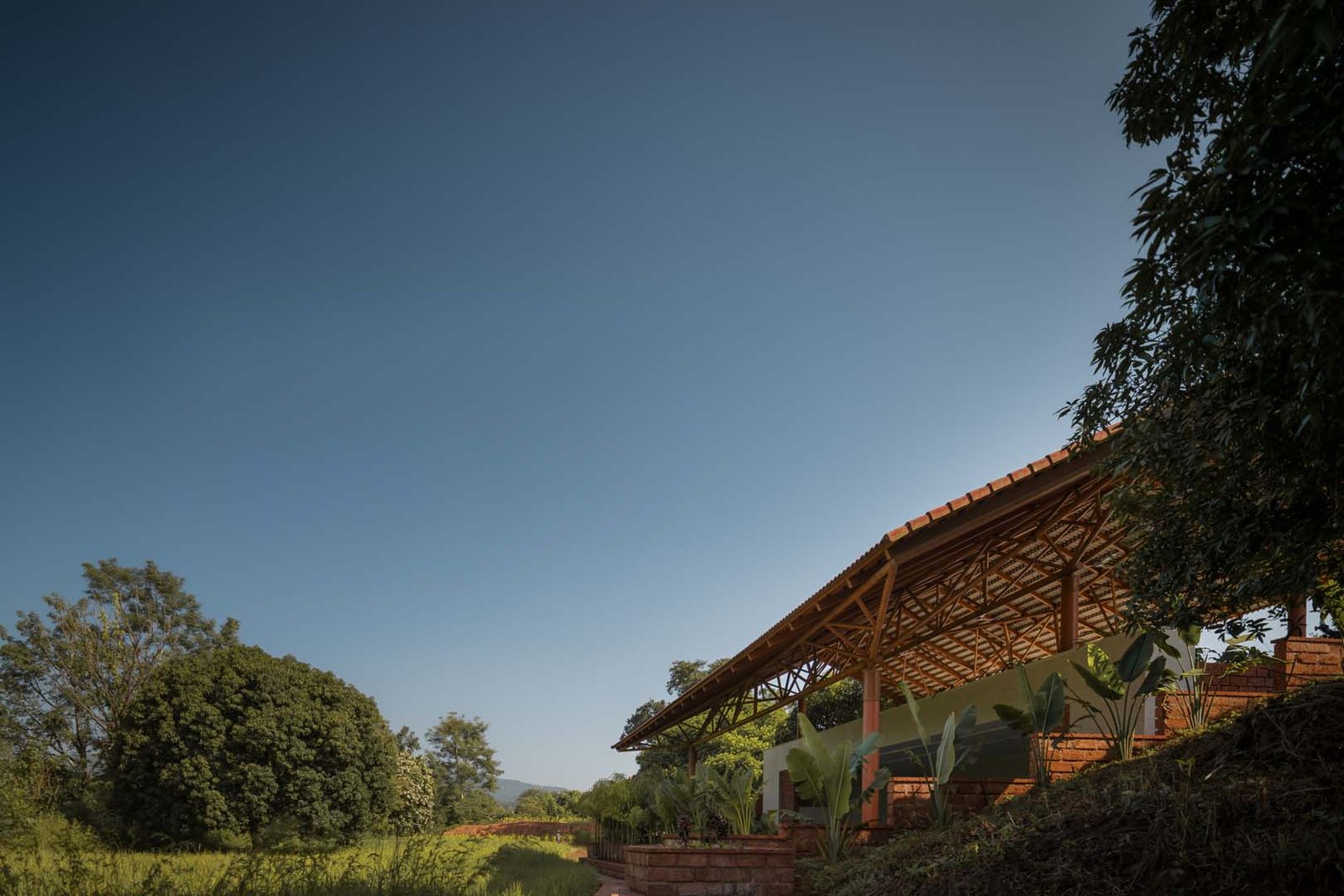
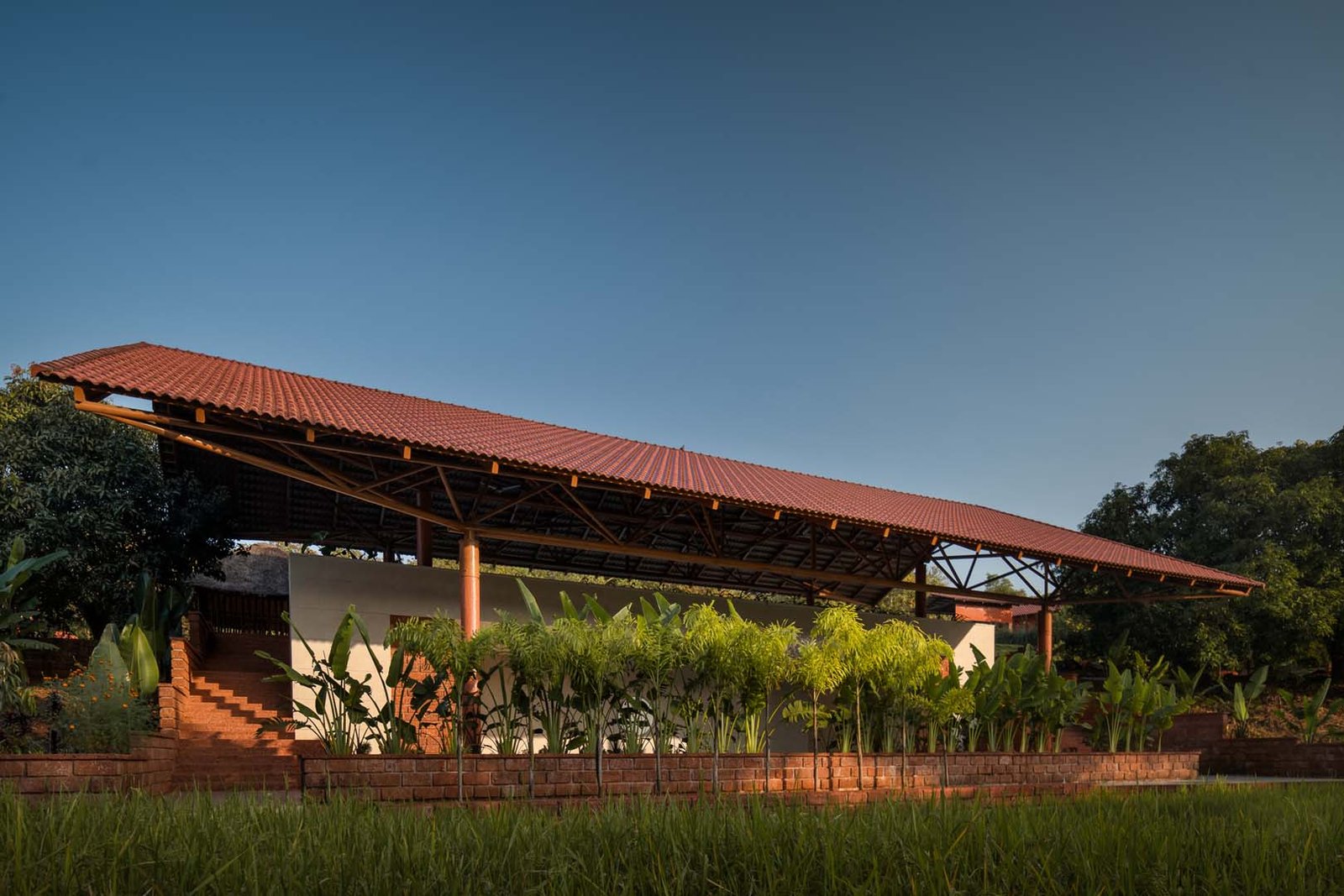
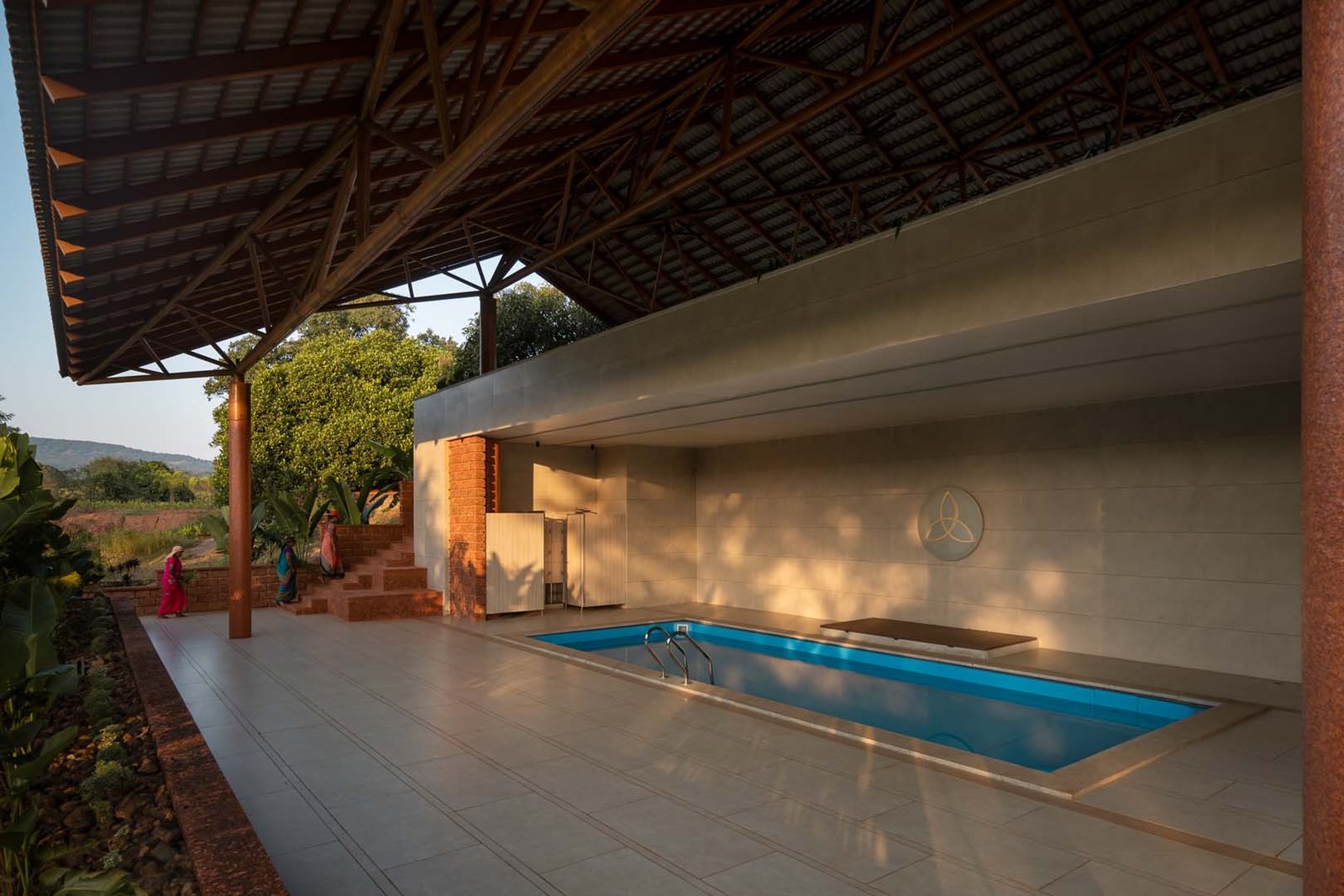
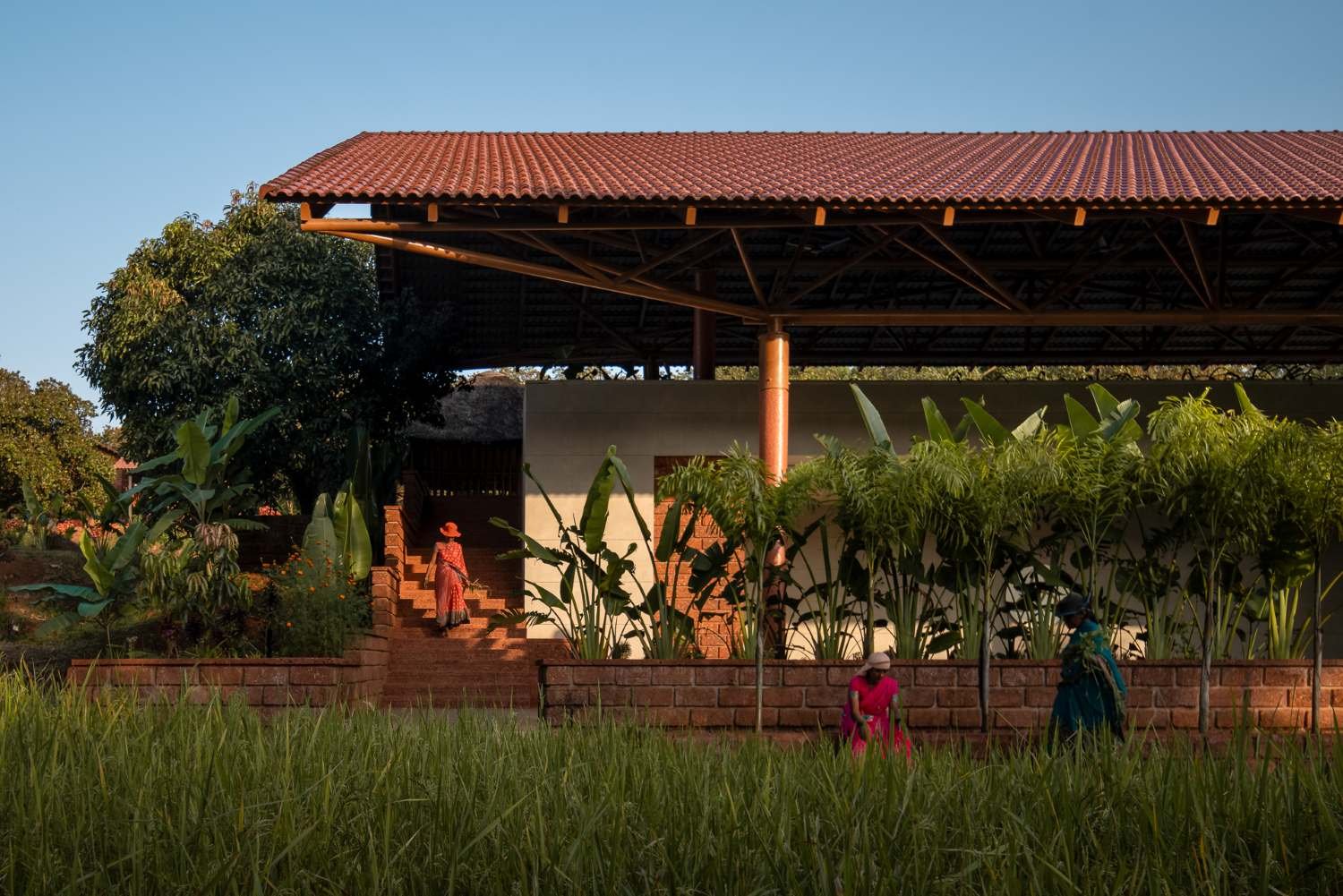
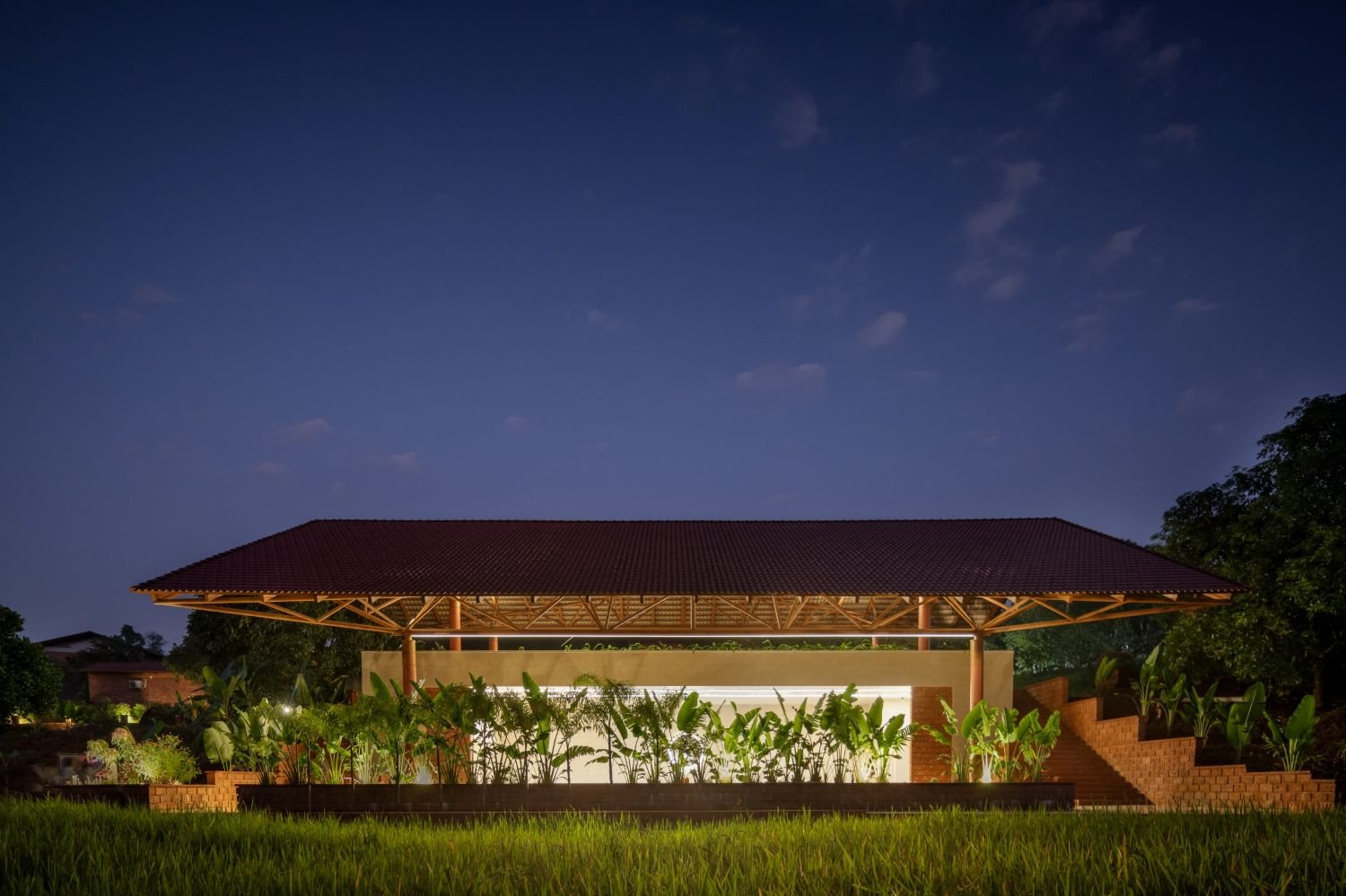
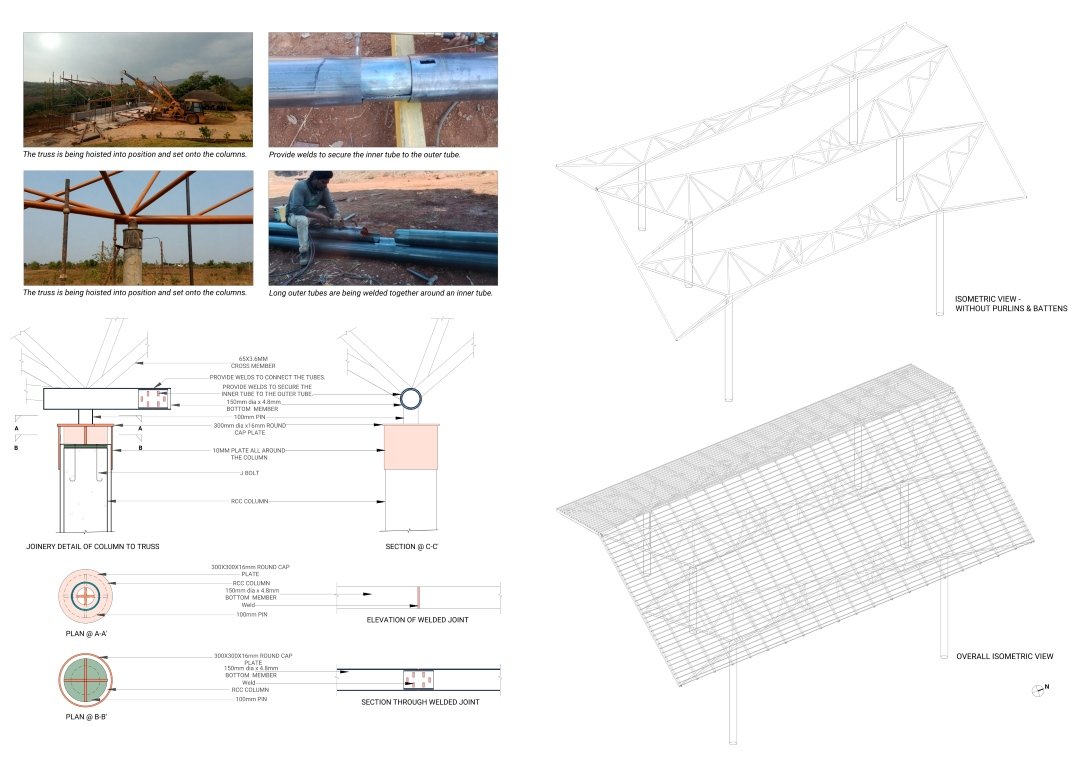
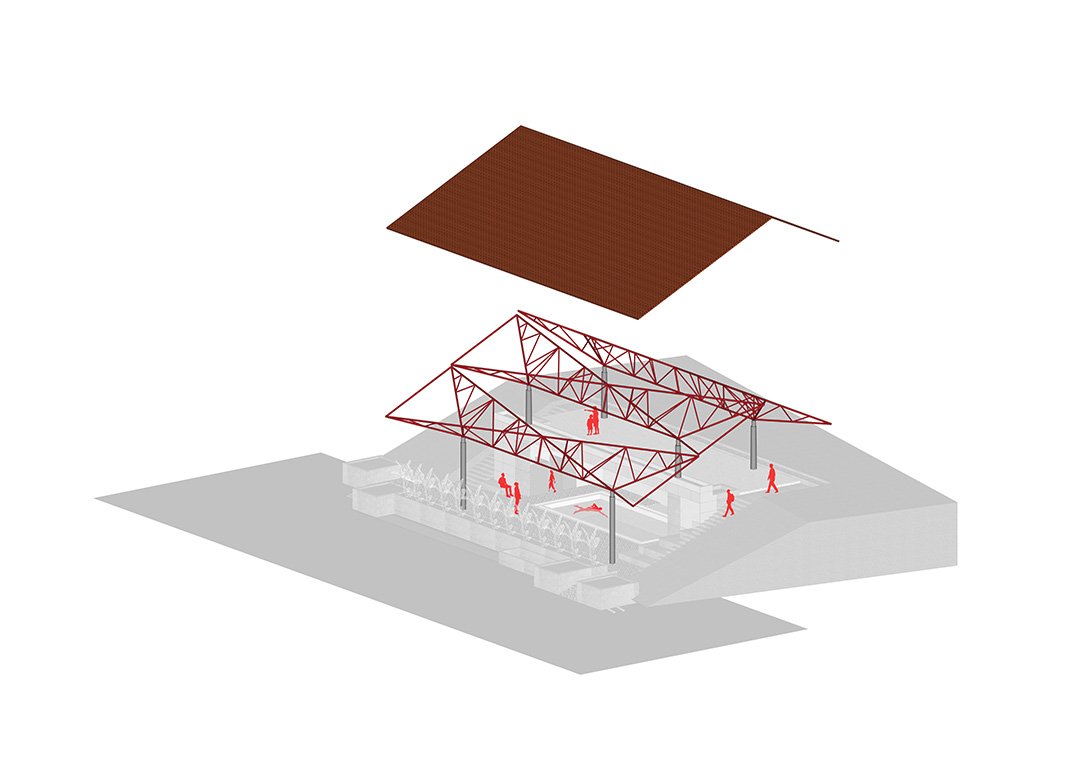
A lightweight roof floats above brick plinths, creating a shaded microclimate while maintaining complete visual openness to the landscape. The result is: Lower built mass, High spatial impact, and Maximum experiential value. This is architecture that enhances: Guest immersion, Event versatility, Brand positioning, and Long-term operational adaptability.
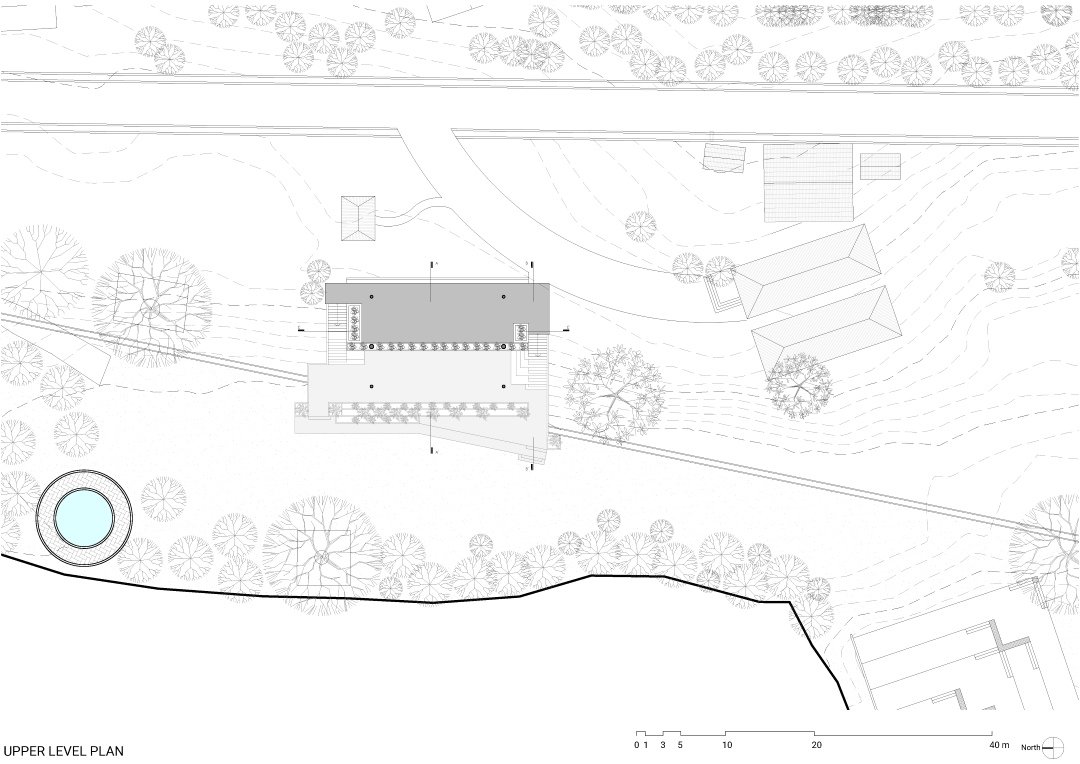
Bird eye view
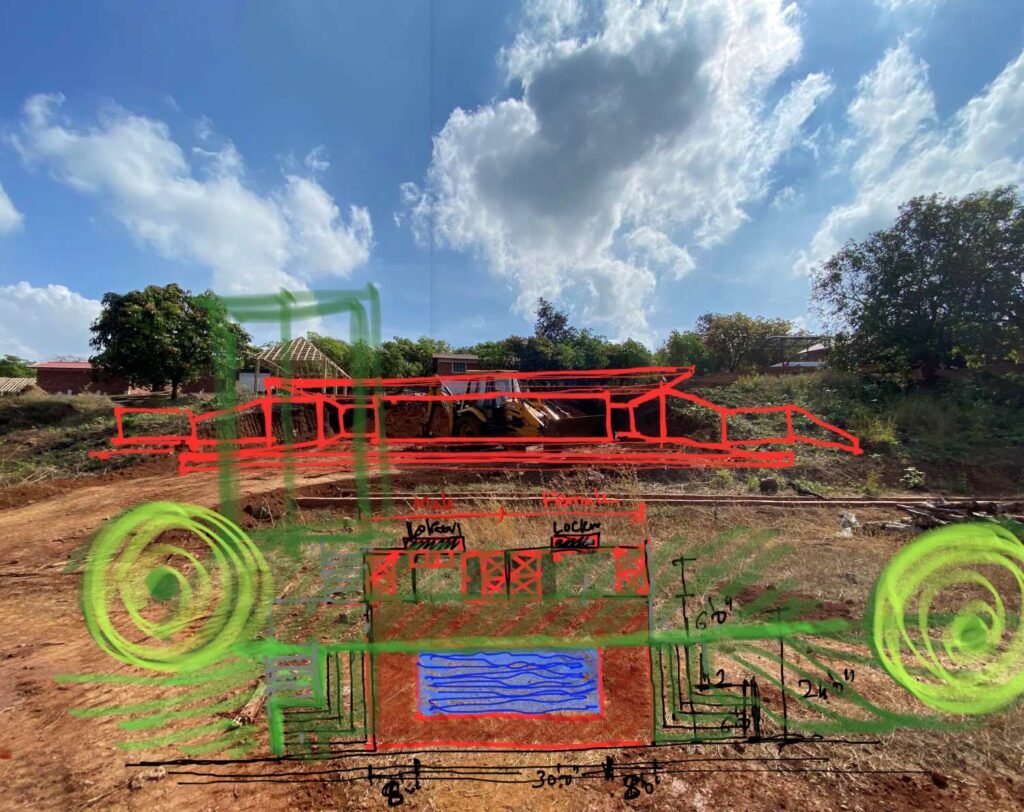
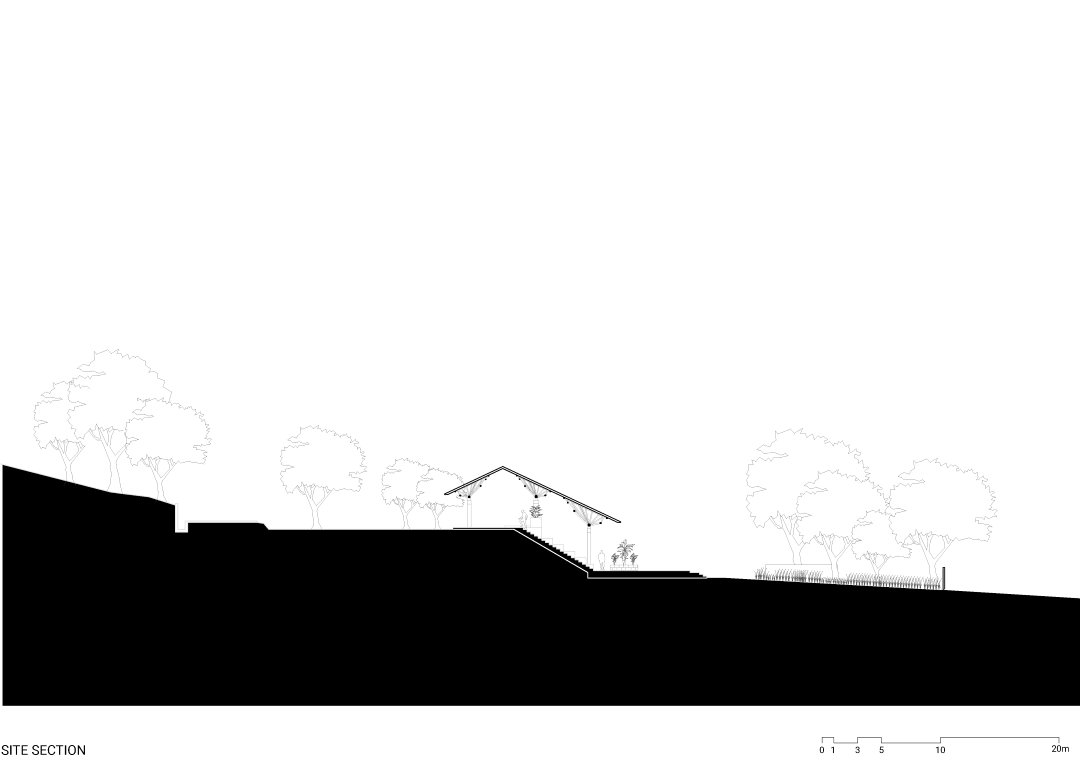
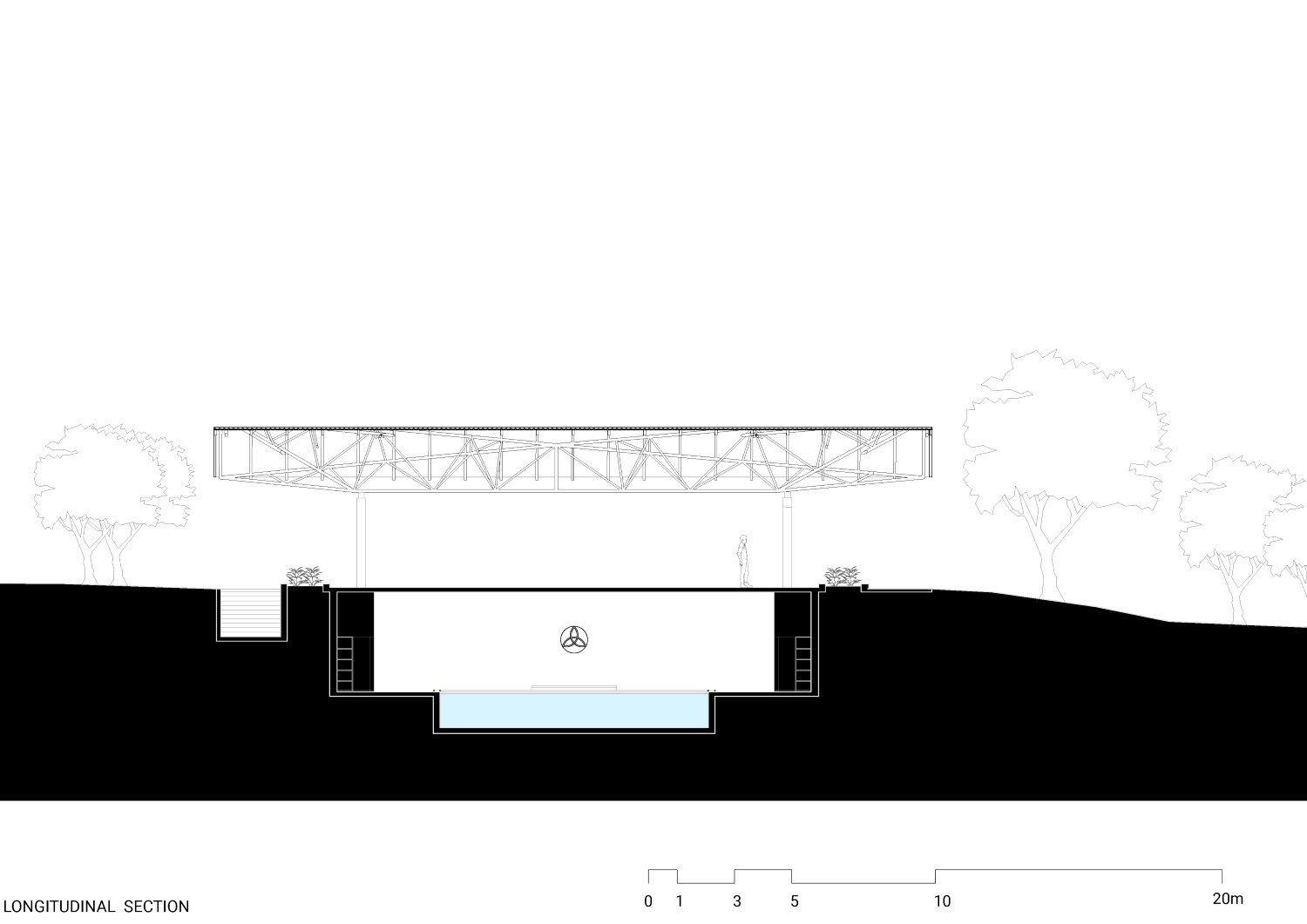
Shared space at Prashanthi Kutira is designed as collective pauses—intentional environments where individuals converge in silence, presence, and gentle awareness. Rather than being dictated by fixed functions, the architecture is conceived as a series of continuous inhabitable layers, stacked vertically and stretched longitudinally to respond to the daily cycles of light, shade, and communal presence. This design reflects the evolving relationship between the yoga retreat, the natural world, and its inhabitants, translating a growing spiritual culture into an open, community-centered environment that invites active participation.
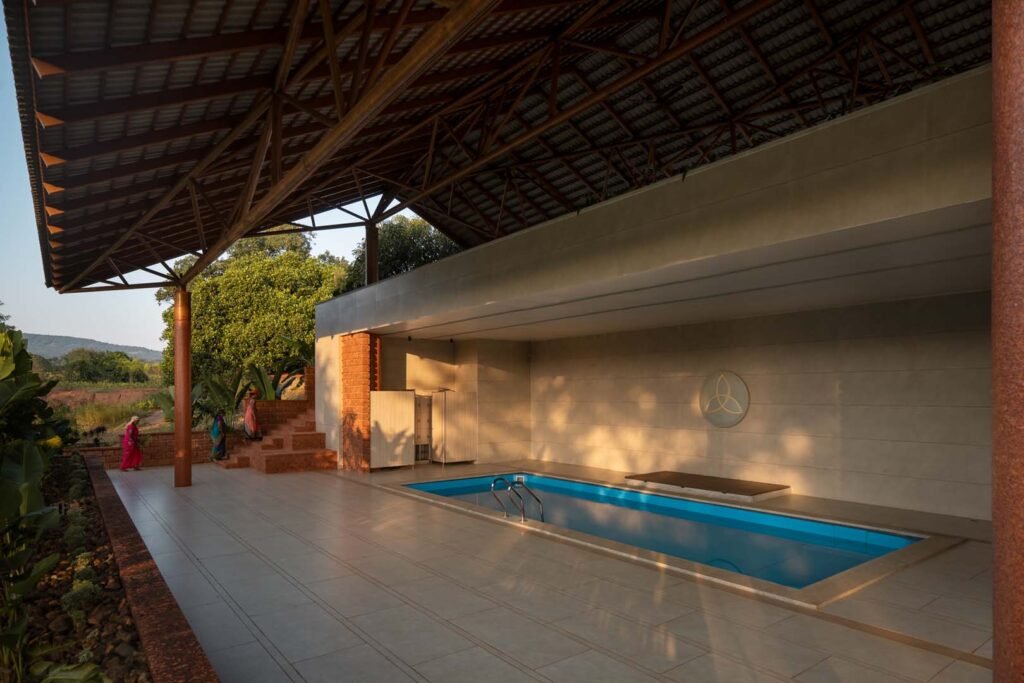
Central void
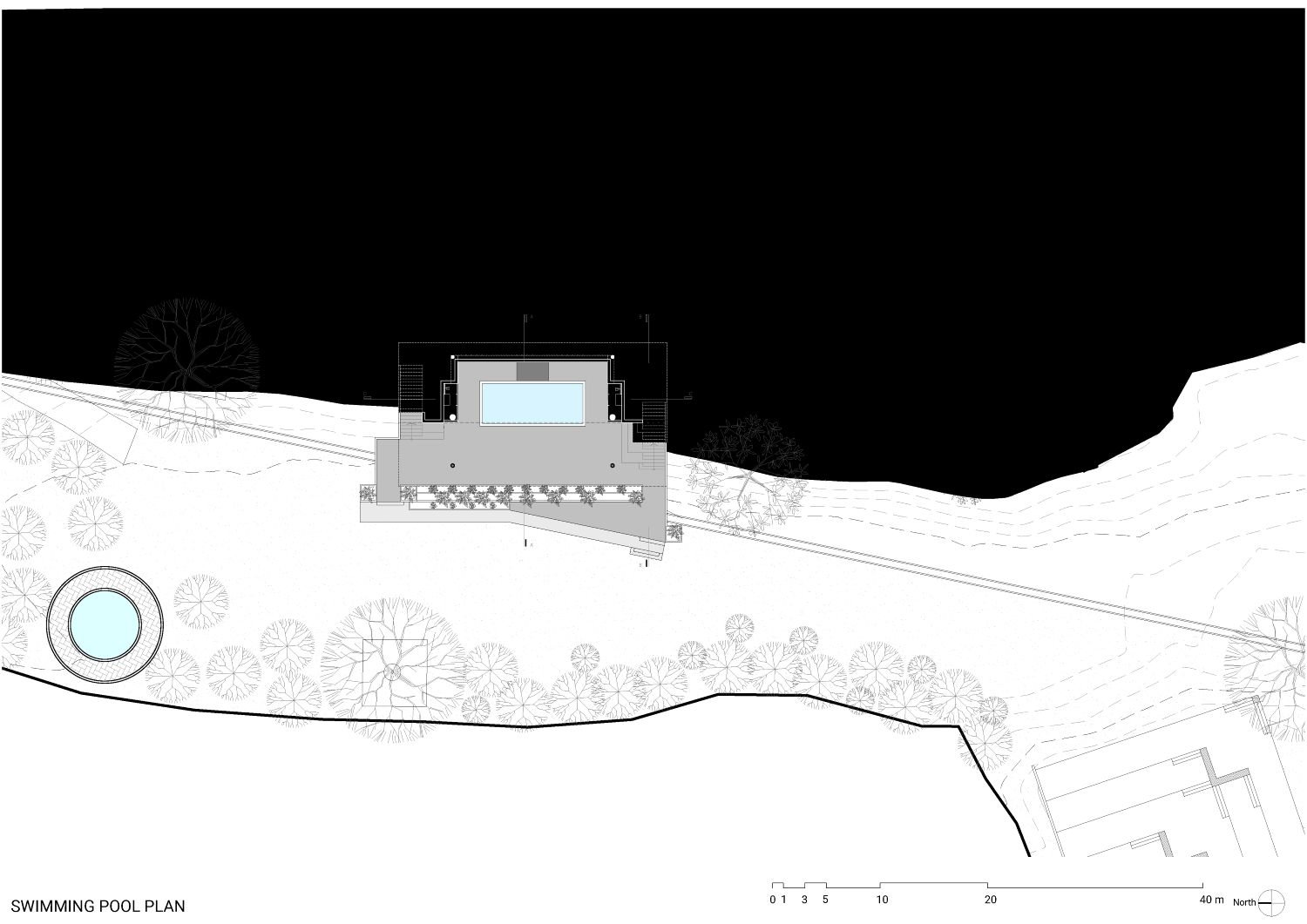
This architectural ambition is crystallized in the central Voided Space, a soaring vertical volume that connects the Lower and Upper Ground levels. Functioning as a shared sanctuary, this core draws sunlight and natural ventilation deep into the building’s heart, creating a temperate space for pause and interaction. Much like a historic town square, this void acts as the retreat’s cultural pulse, fostering spontaneous encounters and organic dialogue.